

Coloring of Aluminum Sheet: Anodizing vs. Powder Coating
Comments Off on Coloring of Aluminum Sheet: Anodizing vs. Powder Coating
Aluminum’s unique properties make it an indispensable material in the aerospace and medical device industries. Various coloring and finishing processes can also enhance its durability and aesthetic appeal, such as anodizing or powder coating. In this guide, we’re going to compare anodizing vs. powder coating as methods for coloring aluminum sheets so you can determine which is best for your application.
Anodizing Aluminum
Anodizing is an electrochemical process that augments the natural oxide layer on the aluminum’s surface. This process does not add a separate layer of material on top of the aluminum but integrates the finish with the underlying metal to a durable and corrosion-resistant surface.
How Anodizing Works
To anodize an aluminum sheet, you immerse it in an electrolytic acid bath and pass an electric current through it. This action opens the pores of the aluminum’s surface and grows the oxide layer. You can then introduce dyes into these open pores to color the metal. Finally, you seal the surface to lock in the color and create a hard, protective finish that maintains the metallic sheen of the aluminum.
Pros and Cons of Anodizing
The primary advantage of anodizing is its exceptional durability and hardness. Since the finish becomes part of the aluminum itself, it will not chip or peel. The process provides excellent corrosion and abrasion resistance, which is critical for parts exposed to harsh environments.
Anodizing provides a more limited color palette than other methods. While the finish is very hard, it’s susceptible to cracking under severe stress or impact. It also limits repair abilities, as a scratch or other damage necessitates completely stripping and re-anodizing the metal.
Powder Coating Aluminum
Now that we’ve explained anodizing, what about powder coating as a method for coloring aluminum sheets? Powder coating is a dry finishing process that applies a finely ground powder of pigment and resin to a surface electrostatically.
How Powder Coating Works
First, you prepare the aluminum surface by cleaning it. Then, you use an electrostatic spray gun to apply the charged powder particles to the grounded aluminum part. The electrostatic charge holds the powder to the surface until you cure it in an oven. The heat melts the powder, allowing it to form a continuous, smooth film that hardens as it cools.
Pros and Cons of Powder Coating
Powder coating offers a vast range of colors and textures, providing design flexibility. The resulting finish is thick, uniform, and highly resistant to chipping, scratching, and fading. It also provides good protection against corrosion.
A drawback of powder coating is that it typically produces a thicker layer than anodizing. The finish, while durable, is more prone to chipping under sharp impact than an anodized surface. The process also conceals the metallic texture of the underlying aluminum.
Making the Right Selection
When choosing between anodizing and powder coating, you must consider the specific demands of your application. By weighing the durability, aesthetic, and environmental factors, you can determine the most suitable coloring method to ensure the longevity and performance of your aluminum parts.
As an aluminum sheet metal supplier, Thin Metal Sales has quality aluminum for your process, regardless of whether you choose anodizing or powder coating. Browse our inventory online, or contact our staff with any questions you may have about our aluminum.
Care, Maintenance, and Long-Term Storage of Copper and Brass
Comments Off on Care, Maintenance, and Long-Term Storage of Copper and Brass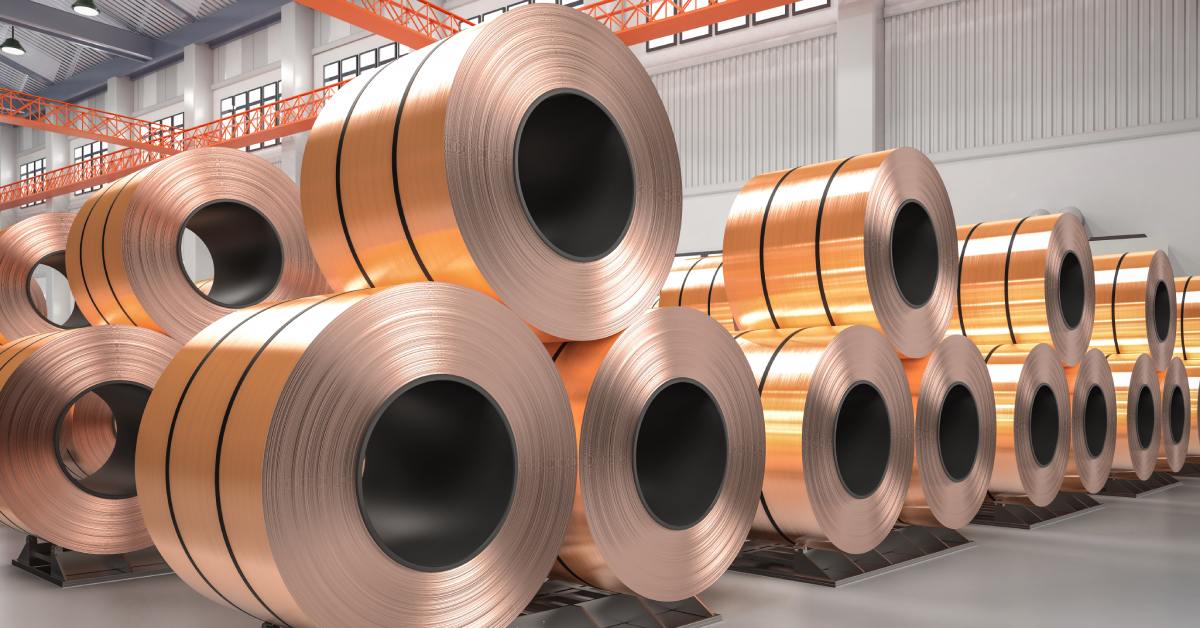
Aerospace manufacturers rely on copper and brass for their strength, conductivity, and workability. However, even the toughest alloys deserve more than a quick wipe-down before you place them on the shelf. When you care for and store these metals correctly, they resist corrosion and warping.
You can keep components ready for production instead of turning them into expensive scrap. In this guide, we’ll share tips on the care, maintenance, and long-term storage of copper and brass.
Daily Handling and Routine Care
Copper and brass look tough but demand regular attention. Oils from your hands leave fingerprints that etch over time, so wear clean gloves every time you touch sheets or parts.
Dust and debris can scratch surfaces, so wipe them with a lint-free cloth before and after you handle them. Use a mild soap solution for tough spots, and avoid harsh products that strip protective layers. These small actions extend each piece’s usable life and prevent defects down the line.
Maintenance That Pays Off
Regular upkeep cuts waste and saves money, and every aerospace operation values that. Inspect your metals to catch discoloration or early rust before it spreads. If you spot trouble, polish the area with a non-abrasive cleaner designed for non-ferrous metals.
A brass and copper sheet manufacturer will confirm that you can keep downtime low and maintain usable stock by routinely polishing and applying protective coats. Consistent care beats scrambling for replacement parts. The reward is cleaner, more reliable materials that are ready for high-performance applications.
Smart Storage for Long-Term Use
Storage mistakes can wipe out all the effort you put into cleaning and polishing. Keep copper and brass away from moisture, extreme heat, and direct sunlight. A controlled environment stops metals from oxidizing and prevents them from warping.
Stand sheets upright on padded racks to prevent scratching, and store smaller parts in sealed, labeled containers lined with anti-tarnish paper. Keep different metals in separate bins so they don’t react and corrode. When you store these materials wisely, you protect your investment and keep components ready for use.
Protecting the Future of Your Materials
Caring for copper and brass requires attention to detail, but the rewards show up in every finished part. By handling metals correctly, sticking to a maintenance schedule, and storing them in controlled conditions, you can avoid setbacks.
Your operation benefits from reliable stock that maintains its quality from the day it arrives until the moment it enters production. With this approach, you secure long-term performance and reduce waste. That’s why prioritizing the care, maintenance, and long-term storage of copper and brass is a decision you’ll never regret.