

Smart Inventory Solutions for Custom Slit-to-Width Metals
Comments Off on Smart Inventory Solutions for Custom Slit-to-Width Metals
Inventory issues don’t always look dramatic at first. A coil sits longer than expected because it’s wider than the next job needs. A sheet gets trimmed more than planned before it reaches production. Over time, those small mismatches can create delays that no one wants to explain during the next meeting covering the schedule.
Custom slit-to-width metals help manufacturers develop smarter inventory solutions by keeping inventory closer to actual production demand. Instead of buying oversized materials and adapting them later, teams can order metal that’s already closer to the required width.
Match Material to the Work
Smart inventory starts with material that fits the job. Standard stock can cover broad needs, but it often creates extra handling when a project calls for a specific width. That extra step may seem minor until it repeats across multiple orders.
Slit-to-width metals reduce that friction. They give purchasing teams greater control over what comes into the shop and help production teams start with materials ready for the next stage. For repeat parts, that consistency can make planning much easier.
Reduce Waste Before It Starts
Waste doesn’t always show up in the form of discarded scrap. Sometimes it comes to you as leftover strips that stay on the shelf because they feel too useful to toss. Other times, it’s partial sheets that don’t quite fit the next order.
Regardless of the form, custom slit-to-width ordering helps reduce that problem before it even begins. A shop using thin copper sheets for etched components, for example, can limit unnecessary trimming by ordering closer to the needed width. Less trimming means fewer offcuts and less time spent managing material that may never get used.
That kind of control also supports cleaner inventory records. When the material sizes you’ve chosen directly link to your active jobs, teams can track usage with greater confidence. Plus, reordering becomes less reactive because buyers can see what the shop actually uses.
Keep Production Moving
Inventory planning isn’t only about what sits on the shelf. It’s also about how quickly the right material can move into production when a job opens. If stock needs extra processing before anyone can use it, it’s not as available as it might seem.
A consistent custom slit-to-width metal supply helps improve your inventory by reducing that gap. Teams can plan around material that arrives closer to the required form, which helps scheduling stay realistic. It also keeps buyers from overstocking just to cover sizing uncertainty. For manufacturers working with tight timelines, that kind of flexibility matters.
The Impact of Material Science on Aerospace Certification
Comments Off on The Impact of Material Science on Aerospace Certification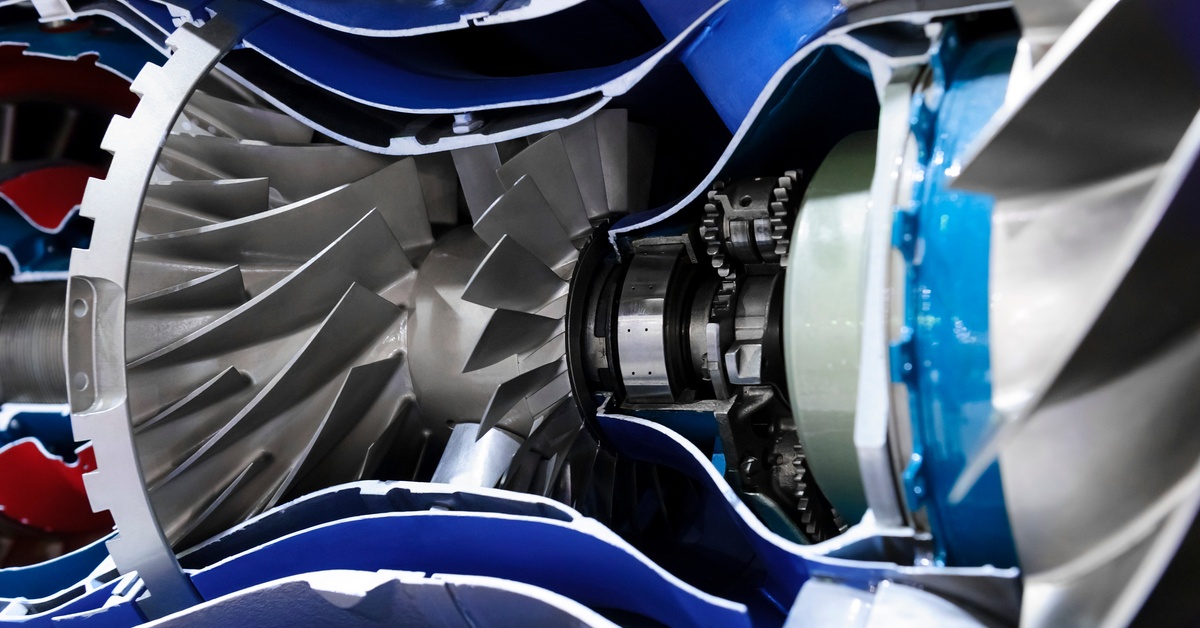
Due to the nature of the industry, aerospace parts face careful review long before they ever reach an aircraft. Every material choice has to support safety while giving engineers a clear reason to trust the finished part. Certification doesn’t begin at the final inspection. It starts with the metal itself, which is what makes material science a major force in aerospace certification.
Material Behavior Guides Approval
Certification teams need proof that a material can withstand real flight conditions. Heat shifts, vibration, and repeated stress can all change how a metal performs over time. When a material reacts in an unpredictable way, the part becomes harder to approve.
Material science helps engineers predict that kind of behavior before production moves too far along. Both alloy choice and thickness control affect how a part handles stress. When teams understand those limits early, they can design with fewer certification surprises.
Consistency Builds Trust
A material doesn’t just need to perform well once. It needs to perform the same way from one batch to the next. Aerospace certification depends on repeatable results, so small changes in metal properties can slow down the review process.
This is where tight material control matters. For example, thin aluminum sheets used in aerospace components may need precise thickness and dependable formability. When suppliers maintain those traits consistently, manufacturers can document performance with greater confidence.
Testing Turns Data Into Evidence
Another major impact of material science on aerospace certification is that it gives testing a clearer purpose. Engineers don’t test parts at random; they measure how the metal should perform under the conditions it’ll face. Strength tests and fatigue studies help show whether the part can meet its required limits.
That evidence matters during certification. If the test data matches the expected material behavior, the approval process becomes more straightforward. If it doesn’t, engineers can trace the issue back to the material choice or the manufacturing process.
Design Depends on Material Limits
Aerospace design often asks metal to do more while weighing less. Material science helps engineers decide where they can reduce thickness and where they need more support. It also shows how far a material can bend or stretch before performance drops.
Those choices affect certification because every design feature needs a technical reason behind it. A lightweight part still has to prove it can survive its working environment. When material data supports the design, reviewers have a clearer path to approval.