

Aluminum Shims in Precision Robotics Assembly
Comments Off on Aluminum Shims in Precision Robotics AssemblyA robot’s first argument with its CAD model often happens at a bolted surface. The model shows the faces meet cleanly, yet the actual assembly may reveal a slight tilt once torque is applied. That small shift can greatly affect how a joint tracks, how a sensor reads, or how smoothly the machine returns to the same position. In precision robotics assembly, aluminum shims help you settle those disagreements without redesigning the whole connection.
Where Real Parts Challenge Perfect Geometry
Robotics teams spend plenty of time refining motion paths, but the machine still depends on physical contact points behaving as expected. A bracket that sits a few thousandths of an inch too low can change the relationship between a mounted component and the rest of the system. The control package may compensate for some variation, but it shouldn’t have to rescue a mechanical fit that could be corrected at the interface.
An aluminum shim gives you a measured way to adjust that relationship. Instead of pulling a part into place with fastener pressure, you can support it with the thickness it actually needs. That’s a cleaner fix, and it keeps stress from becoming part of the assembly strategy.
Stack-Up Control Without Extra Complexity
Tolerance stack-up has a way of hiding until the parts come together. Each individual component may meet its print, but the combined assembly can still land outside the fit you expected. When that happens, a shim can bring the system back into range without forcing a production delay.
Aluminum works well here because it adds controlled thickness without adding much mass. That matters a lot in robotic equipment, where weight can influence response during repeated motion. You’re not just filling space; you’re protecting the way the machine moves.
Why Material Consistency Shapes the Adjustment
A shim’s value depends on trust. If the material thickness drifts, the correction becomes another source of variation. For prototype builds, it can confuse test results; for production builds, it can slow technicians who need the same adjustment to behave consistently each time.
This is where sourcing deserves attention. Teams working with aluminum sheet manufacturers need material that supports predictable spacing, especially when a build relies on repeatable shim performance. The shim may be thin, but its thickness has to mean what the drawing says it means.
Fit Decisions at the Assembly Bench
A useful shim doesn’t draw attention to itself. It lets a mounted surface sit correctly, helps the fastener load feel more controlled, and gives the technician a practical way to make a precise correction. When it comes to precision robotics assembly, the quiet adjustments that aluminum shims provide can keep the build moving while preserving the intent behind the design.
Stainless Steel for Battery Thermal Management
Comments Off on Stainless Steel for Battery Thermal Management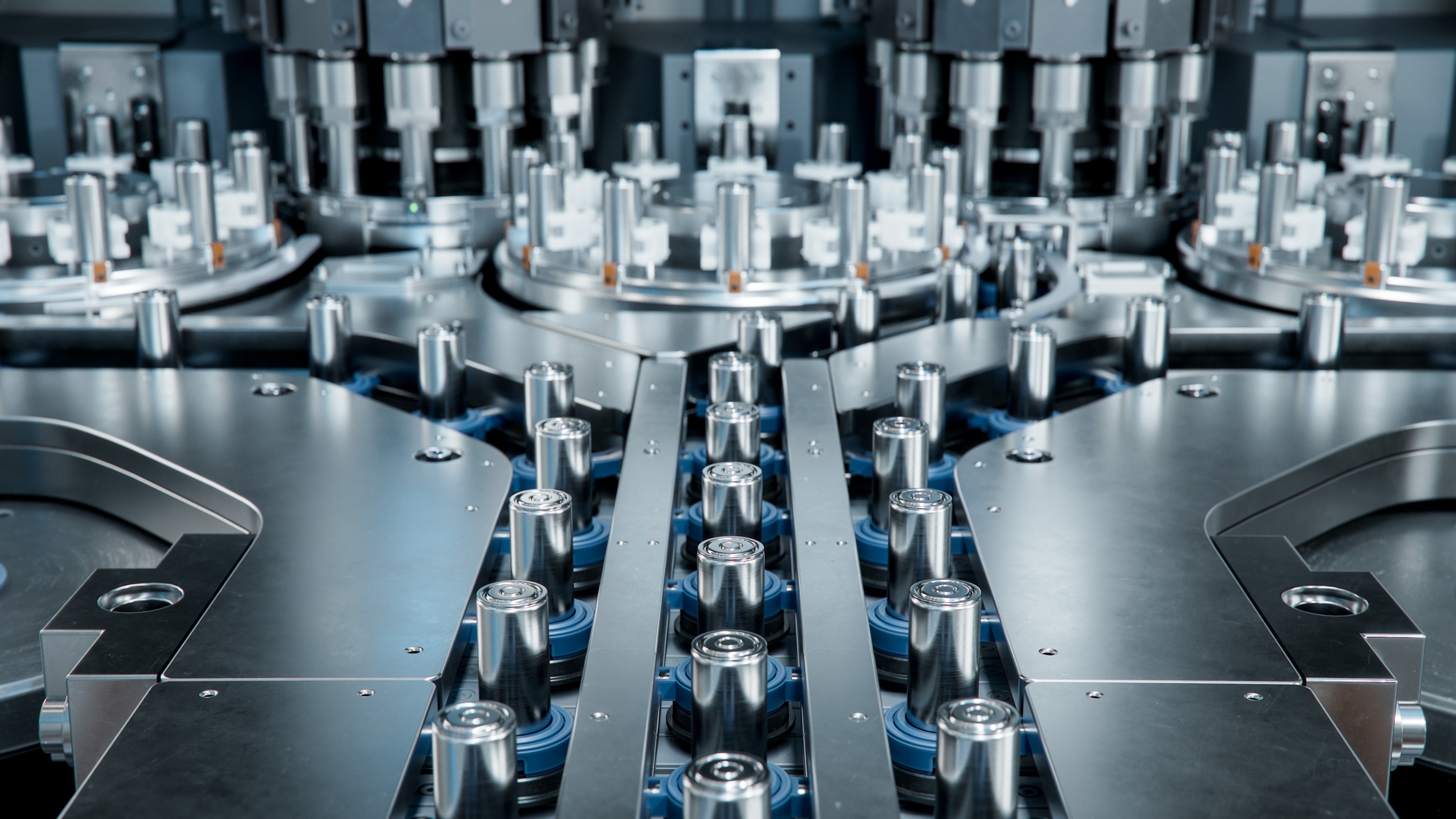
Battery thermal management is one of the quieter engineering challenges driving innovation across industries right now. In high-stakes battery applications, thermal stability under load can make or break performance. That’s why more engineers are turning to stainless steel for battery thermal management. It can provide improved cooling solutions that meet the demands of a variety of advanced power systems.
Why Stainless Steel Specifically?
The short answer is that it checks a lot of boxes at once. Stainless steel handles heat well, resists corrosion, and holds up under the kind of mechanical stress that thermal cycling puts on materials over time. When it comes to battery thermal management specifically, those properties translate into better performance and fewer failure points in the overall system, leading to longer service lifespans.
Heat Exchangers and Cooling Plates
One of the most common applications of stainless steel in battery thermal management is in heat exchangers and cooling plates. This steel’s thermal conductivity, while not as high as copper or aluminum, is more than adequate when paired with a well-designed flow channel geometry.
Chemical etching companies have become key players here because etching allows for incredibly precise, micro-scale channel patterns that maximize surface contact without adding bulk or weight. That level of precision is tough to match with conventional machining methods.
Stamped Components and Aerospace
For stamping parts manufacturers, thin-gauge stainless steel is a compelling choice for cell-level thermal interface components. That’s due to the fact that these teams can form complex geometries with tight tolerances, and the material’s natural resistance to oxidation means you’re not introducing long-term reliability risks into battery packs expected to last a decade or more.
Aerospace applications take this even further, since weight savings and thermal stability both matter enormously in airborne or space-bound systems. Not many other materials can hold up against such restrictions.
Medical Devices
Medical device makers are also finding stainless steel components increasingly attractive in thermal management, especially as portable and implantable devices incorporate higher-capacity battery systems. Biocompatibility, sterilizability, and dimensional stability under varying temperatures all work in stainless steel’s favor, making it a natural fit for applications where material performance is non-negotiable.
Keeping Up with Battery Demand
It’s worth noting that stainless steel sales in the precision components sector have grown steadily alongside the battery industry itself, and it’s not hard to see why. As battery packs become denser and more energy-intensive, the thermal demands on surrounding components rise with them, and stainless steel is one of the few materials that scales gracefully with those demands.