sales@thinmetalSales.comSales@ThinMetalSales.com (909) 393-2273
  • Blog
  • About Us
  • Our Team
  • FAQ
RFQ
Site Logo
Close
  • Blog
  • About Us
  • Our Team
  • FAQ
RFQ
  • Home
  • Products
    • Stainless Steel
    • Copper & Brass
    • Aluminum
  • Technical Information
    • Certifications
    • Prop 65
  • Industries
    • Aerospace
    • Consumer
    • Medical
  • Contact Us
 

Author Archives: Jon

  1. Advantages of Aluminum Sheet Metal in Modern Construction

    January 15, 2025 8:24 pm Comments Off on Advantages of Aluminum Sheet Metal in Modern Construction

    An office building with white aluminum composite panels has a facade wall made of glass and metal. The building has a unique shape.

    Aluminum sheet metal has taken the construction world by storm, and it’s not just because of its shiny, good looks. Whether it’s for skyscrapers, warehouses, or sleek residential designs, this versatile material has become a go-to material for architects and builders. Let’s dive into the advantages of aluminum sheet metal in modern construction and learn why it’s the MVP of contemporary construction projects.

    Strength Without the Weight

    One of the biggest perks of aluminum sheet metal is its strength-to-weight ratio. This material is lightweight yet incredibly strong, making it ideal for construction where durability matters but extra weight is a no-go. Think bridges, facades, or interior panels.

    Aluminum’s reduced weight means easier transportation and quicker installation, cutting labor costs and time. Plus, who doesn’t love material that’s tough but doesn’t make you break a sweat?

    Corrosion Resistance: Built to Last

    Rust has met its match with aluminum sheet metal. Unlike steel, aluminum naturally forms a protective oxide layer that guards against corrosion. This additional protection makes it a rockstar in outdoor and coastal applications, where salt and moisture love to wreak havoc.

    Builders can count on aluminum to maintain its integrity and good looks for decades, even in harsh environments. Talk about low maintenance—it’s the friend that never needs constant attention.

    Design Versatility: A Creative’s Dream

    Modern construction is all about pushing boundaries, and aluminum sheet metal makes this goal easier to achieve. Its malleability means workers can shape, bend, or cut it into intricate designs without losing strength. Want to create bold architectural statements or seamless modern façades? Aluminum has got you covered.

    It’s also available in various finishes and coatings, letting architects play with textures and colors to their heart’s content. With aluminum, the only limit is your imagination—or maybe your budget.

    Eco-Friendly and Recyclable

    Sustainability isn’t just a buzzword; it’s a necessity. Aluminum sheet metal is 100% recyclable, making it a favorite among eco-conscious builders. When recycled, aluminum retains its properties, meaning you’re not losing any quality.

    It’s like the gift that keeps on giving. Plus, using recycled aluminum takes significantly less energy than producing new material, helping reduce carbon footprints. Building green just got a lot easier.

    Cost-Effective in the Long Run

    While aluminum might have a higher upfront cost compared to other materials like steel, it remains a smart long-term investment. Its durability, low maintenance, and lightweight nature mean fewer repairs, replacements, and labor costs over time.

    Factor in its corrosion resistance, and you’ve got a material that’s as easy on your wallet as it is on your eyes. Smart builders know that spending a little more today can save big bucks tomorrow.

    The advantages of aluminum sheet metal in modern construction are too good to ignore. From its lightweight strength to its eco-friendly properties, this material is a construction powerhouse.

    When you’re ready to switch to a durable and sustainable solution, contact a reputable aluminum sheet metal supplier like Thin Metal Sales. Your future self—and your building—will thank you.

  2. How Stainless Steel Is a Crucial Part of the Paper Industry

    January 10, 2025 4:05 pm Comments Off on How Stainless Steel Is a Crucial Part of the Paper Industry

    Rolls of paper make their way through the papermaking process. The machinery at the paper mill plant is visible.

    The paper industry, known for its innovation and durability, owes much of its efficiency to an unexpected hero: stainless steel. Yes, the very material that keeps our kitchens sleek and shiny plays a significant role in ensuring that manufacturers can make notebooks, tissues, and packaging materials with precision.

    Without stainless steel, many of the intricate processes involved in paper production would become less reliable, more costly, and downright messy. Let’s dive into why stainless steel is a crucial part of the paper industry and deserves a standing ovation from papermakers everywhere.

    Stainless Steel: The Unyielding Backbone of Paper Machinery

    Stainless steel isn’t just a choice with industrial machinery; it’s a necessity. In the paper industry, machines operate under tough conditions, handling moisture, high temperatures, and corrosive chemicals daily.

    Stainless steel’s unparalleled resistance to rust and corrosion makes it the ideal material for critical components like rollers, tanks, and pumps. It helps machines run smoothly without frequent breakdowns, saving time and money. Its durability also means fewer replacements, giving paper manufacturers a long-term solution to their operational challenges.

    Pulp Processing and Stainless Steel: A Match Made in Heaven

    Pulping—the process of breaking down raw materials like wood into fibers—is where the magic begins in papermaking. This process involves intense mechanical and chemical treatments, requiring equipment that can withstand wear and tear.

    Stainless steel steps up to the plate here, excelling under these harsh conditions. Whether it’s the digesters that cook the wood chips or the screens that separate fibers, stainless steel ensures these components perform reliably over time. Its resistance to the corrosive chemicals used in bleaching and other treatments is a game-changer for the industry.

    Thin, Flexible, and Efficient: The Role of Stainless Steel Sheets

    Thin sheet stainless steel is a hidden gem in paper production. These sheets play a pivotal role in creating conveyor belts and drying cylinders, which are essential for smooth paper handling and finishing.

    Thin sheets’ lightweight nature makes them easy to mold and use, while their strength ensures they don’t buckle under pressure. This perfect blend of flexibility and durability keeps the production line moving seamlessly, delivering high-quality paper products.

    Sustainability: Stainless Steel’s Contribution to a Greener Industry

    In today’s environmentally conscious world, sustainability isn’t optional—it’s essential. Stainless steel, being 100 percent recyclable, aligns perfectly with the paper industry’s goals of reducing waste and promoting eco-friendly practices.

    Many mills already incorporate recycled stainless steel into their machinery, cutting down on resource extraction and energy use. Moreover, stainless steel’s longevity means less frequent replacements, further minimizing environmental impact. It’s not just good for the planet; it’s also a savvy business move.

    Understanding why stainless steel is a crucial part of the paper industry is helpful for papermakers. Its durability, resistance to corrosion, and recyclability make it a powerhouse material that helps the industry operate efficiently and sustainably.

    The next time you reach for a sheet of paper, spare a thought for the stainless steel working tirelessly behind the scenes to make it happen. If you work in the paper manufacturing business, reach out to Thin Metal Sales to find the best stainless steel for sale.

  3. Understanding Sheet Metal Gauge Thickness

    January 2, 2025 6:15 pm Comments Off on Understanding Sheet Metal Gauge Thickness

    Different sizes of sheet metal sit on top of one another. The pieces are thin but vary in length and shape.

    When working with sheet metal, one of the most perplexing topics is gauge thickness. Understanding sheet metal gauge thickness is essential for anyone dealing with metal fabrication, construction, or DIY home projects. Whether crafting a custom metal sign or tackling a full-scale industrial project, knowing how gauge thickness works can save you a ton of headaches (and money).

    What Does Sheet Metal Gauge Mean?

    Gauge is a unit of measurement that determines the thickness of sheet metal. But here’s the twist—unlike most measurements, gauge numbers work backward. The higher the number, the thinner the metal.

    For instance, a 24-gauge steel sheet is significantly thinner than a 10-gauge steel sheet. Why? Because people developed gauge measurements centuries ago based on how much metal they could produce from a given weight, not its dimensions. It’s a quirky system, but hey, tradition sticks around!

    Different Materials, Different Gauges

    Not all metals are created equal, and that’s especially true with gauge measurements. Steel, aluminum, and copper all have different gauge thickness standards. For example, a 14-gauge steel sheet is about 0.075 inches thick, but a 14-gauge aluminum sheet measures around 0.064 inches.

    These differences matter when choosing materials for specific projects. Always double-check which metal you use and consult a gauge chart to avoid surprises later.

    Why Gauge Thickness Matters

    Choosing the wrong gauge can lead to all sorts of chaos. If the metal is too thin, it may bend or warp under pressure. Too thick? You may find it harder to cut or shape.

    For roofing, HVAC ducts, and car bodywork, thinner gauges are often ideal. On the other hand, heavy-duty applications like bridges and industrial machinery call for thicker sheets. Matching the gauge to the job ensures safety, durability, and cost efficiency because no one likes wasting money on steel that’s thicker than required.

    Tools for Measuring Sheet Metal Gauge

    Measuring sheet metal thickness doesn’t require a PhD in engineering—just the right tools. A sheet metal gauge tool is the simplest option. Slide the tool over the edge of the sheet, and voilà, you know the gauge!

    For more precise measurements, digital calipers or micrometers are your best friends. They provide exact thickness readings, which you can then match to a gauge chart. This precision ensures you always have the right material for the job.

    Understanding sheet metal gauge thickness is the key to mastering metalwork projects, big or small. Whether you’re welding, cutting, or bending, knowing the right gauge keeps your work efficient, safe, and professional.

    When it comes to steel and metal sales, you can count on us. At Thin Metal Sales, we supply thin-gauge metal for industry-leading manufacturers and can help you find the right materials for your latest project.

  4. The Versatility of Commercial Brass Sheets

    December 10, 2024 7:04 pm Comments Off on The Versatility of Commercial Brass Sheets

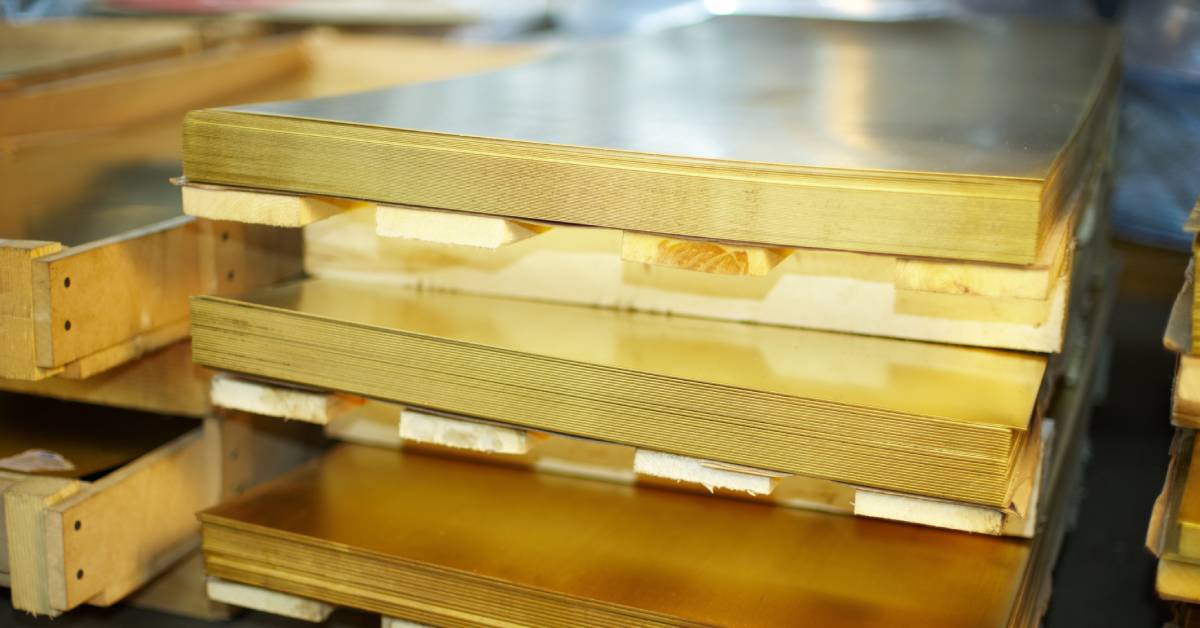
    A stack of brass sheet plates sitting on warehouse pallets. The light reflects off the surface of the top sheet.

    Commercial brass sheets have become the secret weapon for stamping parts manufacturers. With their unique properties and ease of use, they’re a go-to material for creating high-quality parts. Let’s explore the versatility of commercial brass sheets and why they’ve made waves in the industry.

    Durability That Lasts

    Brass sheets are known for their durability. They withstand harsh conditions and don’t wear down quickly, which is perfect for products that must stand the test of time.

    This sturdiness makes them ideal for everything from small components to larger structural pieces. Plus, they’re corrosion- and oxidation-resistant, making them suitable for outdoor use.

    Easy To Work With

    Manufacturers love brass sheets because they’re easy to handle. Manufacturers can cut, bend, and shape them without much hassle, streamlining the production process.

    Stamp your desired design, and brass will take on the shape with minimal resistance—making it a favorite for intricate designs. You can also solder or weld brass sheets together, making them perfect for creating strong and durable joints.

    Aesthetic Appeal

    Apart from their practicality, brass sheets offer a stunning finish. Their natural golden hue adds a touch of elegance to any part, giving a premium feel without the premium cost. This aesthetic appeal makes them attractive for products needing a visual boost.

    Cost-Effective Material

    Brass sheets are versatile and cost-effective. They provide the functionality and beauty of higher-end materials without breaking the bank. Therefore, brass sheets give manufacturers more value for every dollar spent, increasing profitability while maintaining quality.

    This cost-effectiveness makes brass sheets a top choice for small and large-scale production. Brass sheets offer an affordable and reliable solution, whether creating a one-of-a-kind product or mass-producing parts.

    Environmentally Friendly Option

    Using brass sheets is often an environmentally conscious choice. Brass is a recyclable material, helping manufacturers reduce waste and conserve resources. This feature aligns with the growing demand for sustainable manufacturing practices and helps manufacturers comply with environmental regulations.

    As you can see, the versatility of commercial brass sheets makes them a top choice for stamping parts manufacturers. Brass sheets deliver on multiple fronts, from their durability to their aesthetic appeal.

    Copper sheet suppliers are seeing a rise in demand as manufacturers recognize the advantages of incorporating brass into their processes. Contact Thin Metal Sales today to receive quality and cost-effective brass sheets for your latest manufacturing project.

  5. Choosing the Right Grade and Alloy of Aluminum Sheets

    December 2, 2024 5:55 pm Comments Off on Choosing the Right Grade and Alloy of Aluminum Sheets

    Rolls of aluminum sitting on the floor of a production plant. In the background, piping and mechanical equipment are visible.

    Choosing the right grade and alloy of aluminum sheets can make all the difference when producing aerospace components. However, with so many grades and alloys available, the decision-making process can become complicated. Here’s a rundown to help you pick the best aluminum sheets for your aerospace applications.

    The Importance of Alloy Selection

    Each aluminum alloy has unique properties that suit specific applications. For example, 2024 is popular in the aerospace industry due to its excellent fatigue resistance and high strength, making it ideal for aircraft structures that experience high stress.

    Meanwhile, 7075 is even stronger and often used in parts that require an ultra-high strength-to-weight ratio, like wing spars and fuselage frames. Understanding these distinctions allows you to choose the ideal alloys and create components that withstand the demands of aerospace environments.

    Why Strength Matters

    Selecting the right alloy isn’t just about the weight savings but also the strength it provides. Aerospace components undergo tremendous stress, which means choosing a strong alloy is vital. Grades like 6061 and 7050 offer a balance of strength and workability, so they are often used for structural components in aircraft.

    While 6061 is versatile and weldable, 7050 is highly resistant to stress corrosion cracking. Balancing strength with other attributes like formability and machinability helps you meet manufacturing standards.

    Corrosion Resistance

    Corrosion resistance is critical in aerospace manufacturing due to high levels of moisture exposure and varying atmospheric conditions. Alloys like 6061 and 5052 offer excellent corrosion resistance, especially in harsh environments.

    For parts that are exposed to saltwater or coastal environments, 5052 might be the better choice as it resists marine corrosion. Meanwhile, anodizing certain alloys can further enhance their protective layers, ensuring your parts last longer in tough conditions.

    Heat Treatability and Formability

    The ability to form or heat-treat aluminum can determine its suitability for different aerospace components. Some alloys are heat-treatable, allowing you to manipulate their properties to fit specific strength requirements.

    If you’re dealing with complex shapes or intricate designs, consider alloys that are more formable. By selecting a heat-treatable or formable alloy, you can tailor your materials to meet the design needs of each component, boosting efficiency in the manufacturing process.

    Weight Savings With High-Performance Alloys

    Weight reduction is a primary goal in aerospace manufacturing, making high-performance, lightweight alloys an asset. Choosing the right grade and alloy of aluminum sheets allows you to reduce component weight without compromising structural integrity. By focusing on using high-performance alloys, you can achieve significant weight savings, enhancing fuel efficiency and aircraft performance.

    Choosing the appropriate aluminum grade and alloy is essential for optimal performance, strength, and durability in aerospace components. If you need assistance with this process, consult our team of aluminum sheet manufacturers at Thin Metal Sales for tailored guidance based on your needs.

  6. Benefits of Stainless Steel Sheets in Commercial Kitchens

    November 8, 2024 8:43 pm Comments Off on Benefits of Stainless Steel Sheets in Commercial Kitchens

    A group of chefs works in a commercial kitchen. One chef sprinkles seasoning on a pan, while another uses a large pepper shaker.

    Stainless steel is the gold standard for commercial kitchens, offering durability, cleanliness, and a sleek look that elevates any space. It’s essential for your day-to-day operations if you’re running a professional kitchen.

    Keep reading as we explain the key benefits of stainless steel sheets in commercial kitchens, covering why they’re a staple in restaurants, catering companies, and food service establishments worldwide.

    Durability That Stands the Test of Time

    Stainless steel sheets are virtually indestructible, making them ideal for rough and tumble commercial kitchens. From sharp knives to hot pans and heavy equipment, they can withstand it all without showing signs of wear and tear.

    This resilience means fewer repairs and replacements, ultimately saving you money. Plus, they don’t rust or corrode, helping your kitchen surfaces stay pristine even in humid or high-moisture environments.

    Easy To Clean and Sanitize

    Cleanliness is non-negotiable when you’re working with food. Stainless steel sheets are incredibly easy to clean and perfect for maintaining hygiene in a busy kitchen.

    Their non-porous surface doesn’t absorb food particles, liquids, or bacteria, so a simple wipe-down with soap and water keeps things sanitary. Unlike other materials, stainless steel can handle harsh chemical cleaners, keeping your kitchen safe and compliant with health codes.

    Heat Resistance for High-Temperature Environments

    Commercial kitchens often produce high heat from ovens, stovetops, or grills. Stainless steel sheets can handle these high temperatures without warping or discoloring, making them an excellent choice for countertops, backsplashes, and shelving.

    Their heat resistance also means that hot pots and pans won’t damage the surface. This feature is a small but significant time-saver during a busy service.

    Aesthetic Appeal That Never Fades

    Aside from its practical benefits, stainless steel adds a modern, professional look to your kitchen. Its sleek, reflective surface enhances lighting, making the smallest spaces open and bright.

    Whether you’re running a fast-paced restaurant or a boutique catering business, stainless steel sheets elevate your kitchen’s design. The best part? Stainless steel never goes out of style, so your kitchen will look as good years later as it does on day one.

    Low Maintenance and Long-Lasting

    Stainless steel sheets are famously low maintenance. They don’t require special treatments, sealing, or polishing to stay in top condition—standard cleaning keeps them looking sharp. Their longevity also means you won’t have to consider replacing your kitchen surfaces for a long time, making them a cost-effective investment for any commercial kitchen setup.

    The benefits of stainless steel in commercial kitchens include durability, ease of cleaning, heat resistance, and timeless aesthetics. Stainless steel sheets are a smart, long-lasting investment than can benefit any professional kitchen.

    To find the highest-quality materials, consider sourcing your sheets from a trusted stainless steel sheet manufacturer like Thin Metal Sales. We’ll help you select the best options for your kitchen, ensuring your workspace runs smoothly and looks fantastic for many years.

  7. Why Sheet Metal Is Important in Electronic Manufacturing

    October 24, 2024 2:17 pm Comments Off on Why Sheet Metal Is Important in Electronic Manufacturing

    A close-up view of the production of electronic components. A machine rests above a piece of sheet metal.

    In the fast-paced world of electronic manufacturing, sheet metal plays a crucial role that often flies under the radar. Understanding why sheet metal is important in electronic manufacturing can enhance the quality and durability of electronic products and impact production efficiency. Let’s explore the fascinating world of sheet metal in this vital industry.

    Versatility of Sheet Metal

    Sheet metal is the chameleon of manufacturing materials. It can adapt to various shapes and sizes, making it a go-to option for housing electronic components. Sheet metal provides a sturdy yet lightweight solution for many applications, including enclosures, circuit boards, heat sinks, and chassis production.

    Manufacturers can easily manipulate it through processes like bending, cutting, and stamping, enabling them to create complex geometries that meet specific design requirements. This versatility ensures that every electronic device has a suitable protective casing that enhances functionality and boosts aesthetics.

    Enhanced Thermal Management

    Overheating can lead to catastrophic failures in electronic devices. Fortunately, metals like aluminum and copper possess excellent thermal conductivity, allowing heat to dissipate efficiently.

    By using custom sheet metal components, manufacturers can design products that manage heat effectively, prolonging the lifespan of sensitive electronic parts. Heat sinks made from sheet metal draw heat away from critical components, helping devices operate within safe temperature ranges. This thermal management is essential in high-performance electronics where heat generation is a given.

    Structural Integrity and Durability

    Durability matters with electronics. Devices endure wear and tear over time, and the materials used significantly impact their longevity. Sheet metal offers exceptional structural integrity, providing robust protection against physical impacts, environmental conditions, and electromagnetic interference.

    Enclosures crafted from sheet metal can withstand drops, vibrations, and harsh conditions, helping the electronic components inside remain safe and functional. This durability reassures manufacturers and consumers that their products will stand the test of time.

    Cost Effectiveness in Production

    Manufacturing with sheet metal is generally cost effective, particularly for large-scale production runs. The processes involved in working with sheet metal, such as laser cutting and CNC machining, enable high precision and repeatability.

    This precision reduces waste and minimizes the need for extensive rework, which can prove costly and time-consuming. Additionally, the material itself is often less expensive than alternatives like plastics or composites, making it an attractive choice for manufacturers aiming to balance quality and cost effectiveness.

    Customization and Innovation

    Customization is key in the competitive electronics market. Manufacturers can take advantage of custom sheet metal to create unique, tailored solutions for their products. This ability to innovate allows them to meet consumer demands and opens the door to new market opportunities.

    By incorporating custom sheet metal designs, manufacturers can enhance product functionality, streamline assembly processes, and improve product performance. This level of customization fosters creativity and allows for the development of cutting-edge electronic devices that stand out in a crowded market.

    Understanding why sheet metal is important in electronic manufacturing highlights its critical role in producing high-quality electronic devices. As technology continues to evolve, the significance of sheet metal remains steadfast, offering innovative solutions to manufacturers worldwide.

    If you’re looking for ways to enhance your manufacturing processes, consider the benefits of custom sheet metal for sale. Thin Metal Sales provides manufacturers with custom sheet metal that offers versatility, durability, and high thermal management. Contact us today to receive premium-grade sheets that allow you to produce world-class products.

  8. The Benefits of Aluminum Sheets in Architectural Design

    October 8, 2024 6:39 pm Comments Off on The Benefits of Aluminum Sheets in Architectural Design

    A close-up view of an aluminum architecture wall. The intricate pattern of the aluminum wall is visible.

    Architectural design thrives on innovation, and aluminum sheets have emerged as one of the most versatile materials to grace the industry. The benefits of aluminum sheets in architectural design are vast, offering functional and aesthetic perks.

    From sleek facades to lightweight structures, aluminum sheets have changed the way architects think about their projects. Let’s dive into the reasons why this metal is a superstar in modern architecture.

    Durability Meets Style

    Aluminum sheets have the perfect combination of durability and style. Architects love using them because they can withstand harsh weather conditions without losing their charm.

    Unlike steel, aluminum doesn’t rust, making it the go-to choice for outdoor projects. This material keeps its sleek, polished appearance come rain or shine, which is ideal for creating stunning facades that stand the test of time.

    Further, aluminum is resistant to corrosion and holds up against wear and tear. Whether you’re designing a busy public space or a modern home, you can trust that aluminum sheets will maintain their integrity for years to come.

    Lightweight and Easy To Work With

    One of the key benefits of aluminum sheets in architectural design is their lightweight nature. Despite being strong and durable, aluminum is surprisingly easy to handle. This ease of handling makes it easier for architects and builders to manipulate the material into the desired shape and form.

    Thanks to its light weight, aluminum also reduces the load on the building’s structure, making it perfect for large-scale projects that require flexibility. Plus, it’s easy to transport and install, speeding up construction times and lowering costs—two things everyone can appreciate!

    Eco-Friendly Appeal

    Sustainability is a growing concern in today’s design world, and aluminum fits right into the eco-friendly narrative. Aluminum is 100 percent recyclable without losing any of its properties, which means builders can reuse it endlessly. This quality makes it an environmentally conscious choice for architects looking to minimize their carbon footprint.

    In addition to its recyclability, aluminum sheets also reflect heat, helping buildings stay cool and reducing energy consumption. It’s a win-win situation, as aluminum always delivers on style and substance.

    Design Flexibility at Its Best

    One exciting aspect of using aluminum sheets in architectural design is the flexibility it offers. Builders can mold, build, and shape the material into virtually any form, giving architects the creative freedom to push boundaries. Whether it’s used to craft sleek curves, sharp angles, or intricate patterns, aluminum makes it possible to turn the most ambitious design visions into reality.

    Architects can also choose from various finishes and coatings, allowing for a wide range of textures and colors in design. Whether the goal is to achieve a mirror-like shine or a matte, anodized finish, aluminum sheets provide endless possibilities for customization.

    In today’s fast-paced world of architectural design, aluminum sheets have proven themselves as a practical and visually appealing option. The benefits of aluminum sheets in architectural design include everything from durability and lightweight functionality to eco-friendly advantages and unparalleled design flexibility.

    Whether you’re working with a thick or thin aluminum sheet, this material can help bring your vision to life in ways that other materials simply can’t match. If you’re looking for an aluminum sheet metal supplier near you, look no further than Thin Metal Sales. We’ll help you find high-quality, custom-cut aluminum sheets for your newest architectural project.

  9. Choosing the Right Alloy of Brass Sheet for Your Project

    September 27, 2024 4:37 pm Comments Off on Choosing the Right Alloy of Brass Sheet for Your Project

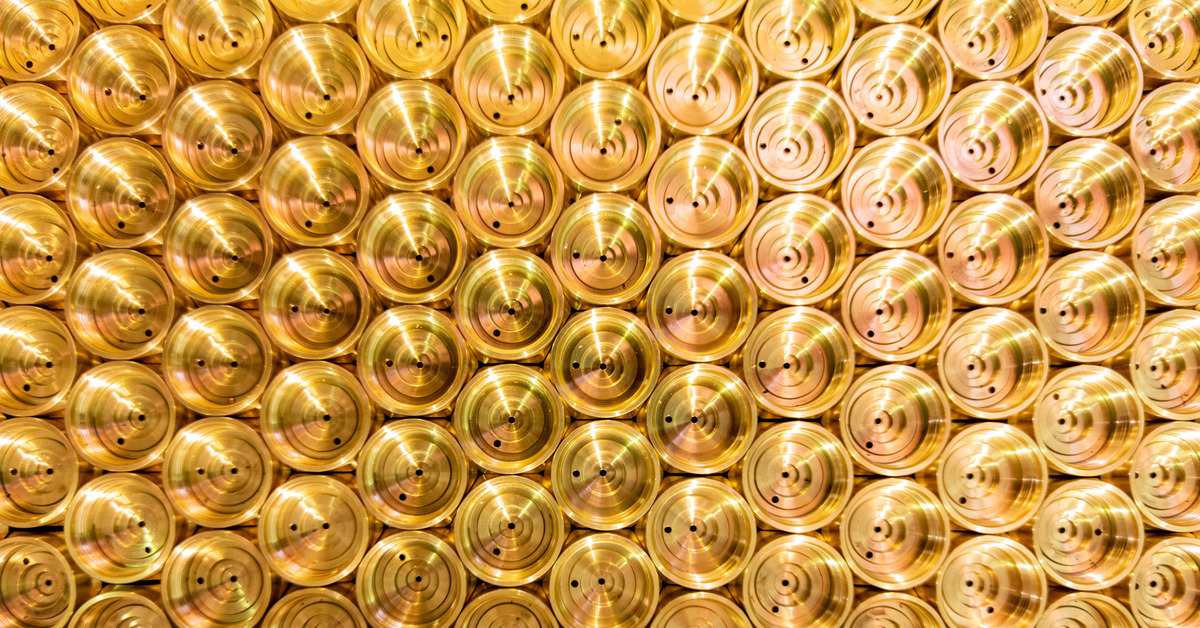
    Here's a close-up of shiny brass metal parts aligned together. The brass looks brand new and reflects light well.

    When working in the aerospace industry, the materials can make or break your project. One of the most versatile metals is brass, and choosing the right alloy of brass sheet for your project can mean the difference between soaring success and a grounded design. This guide will help you navigate the selection process by covering key aspects of brass alloys and giving you a basic understanding of their importance.

    Understanding the Basics of Brass Alloys

    Brass consists of copper and zinc, with the proportions adjusted to achieve distinct characteristics. Aerospace parts must be durable and resistant to environmental factors, but not every brass sheet meets those qualifications. Brass alloys can differ in machinability, strength, and corrosion resistance, making it essential to know their differences before choosing one.

    Corrosion Resistance: Keep It Flying Longer

    Corrosion resistance is critical in aerospace applications because components must withstand exposure to harsh environments. Brass alloys, such as C260 (Cartridge Brass), offer excellent corrosion resistance, making them popular in this industry.

    This alloy is ideal for use in areas exposed to moisture or atmospheric chemicals, reducing the need for frequent replacements. If your project needs to withstand these conditions, prioritize alloys with high corrosion resistance.

    Machinability: Make the Cutting Process Easier

    Brass has a reputation as an easy material to work with, and certain alloys enhance that machinability. C360 (Free-Machining Brass) is easy to machine, allowing you to cut down on production time without sacrificing quality. If you need parts with complex designs or intricate shapes, a brass alloy with high machinability is ideal.

    Strength and Durability: Building Tougher Aerospace Parts

    Strength is always a priority in aerospace. Some brass alloys, such as C464 (Naval Brass), offer strength and durability, making it perfect for parts that must withstand high stress or extreme conditions.

    Naval Brass is particularly good for aerospace applications requiring resistance to seawater. It’s great for certain components that might have to land in bodies of water. Choosing the right alloy will help your parts stay strong and resilient under pressure.

    Heat Resistance: For Projects That Face the Heat

    If your parts must contend with high temperatures, consider brass alloys with strong heat resistance. C280 (Muntz Metal) is designed for strength and resistance to heat and corrosion. It’s excellent for aerospace parts that must withstand high temperatures, preventing your project from buckling under heat exposure.

    Find the Right Alloy With Thin Metal Sales

    Choosing the right alloy of brass sheet for your project will keep your aerospace components strong and durable. There’s an alloy for every need, whether you’re looking for something easy to machine or capable of withstanding extreme conditions.

    Before finalizing your order, consult trusted brass sheet suppliers like Thin Metal Sales. We’ll help you get the best materials for the job and send your project soaring to new heights!

  10. Advantages of Custom Sheet Metal Parts in Manufacturing

    September 5, 2024 7:26 pm Comments Off on Advantages of Custom Sheet Metal Parts in Manufacturing

    Here's a close-up view of a laser cutter cutting gears in a steel metal sheet. Light emanates from the laser as it cuts the steel.

    When manufacturing complex parts, one-size-fits-all solutions rarely work. The advantages of custom sheet metal parts in manufacturing go beyond simple customization; they offer flexibility, efficiency, and durability that standard parts just can’t match. Let’s explore why these parts are a game-changer for most industries.

    Tailored to Your Needs

    At Thin Metal Sales, we design custom sheet metal parts with your specific requirements in mind. Whether you need a particular shape, size, or material, our custom parts provide the exact specifications you require.

    This tailored approach eliminates the need for additional modifications, saving you time and money. You won’t have to worry about fitting square pegs into round holes because the parts we make will fit your application precisely.

    Enhanced Durability

    Durability is a key factor in manufacturing, and our custom sheet metal parts deliver on this front. Since we craft these parts from materials specifically chosen for their strength and resistance, they tend to last longer than off-the-shelf options.

    This enhanced longevity means fewer replacements, less downtime, and a smoother production process. Over time, investing in custom parts can lead to significant cost savings because of these improvements.

    Improved Efficiency

    Efficiency is the name of the game in manufacturing, and custom sheet metal parts help you stay ahead of the competition. We design our parts to fit perfectly and contribute to a streamlined assembly process.

    With everything tailored to your needs, you reduce the risk of errors and speed up production. Custom parts also minimize waste, which is a win for your budget and the environment.

    Flexibility in Design

    Another reason to champion the superiority of custom sheet metal parts in manufacturing is the design flexibility they offer. Whether you’re working on a simple or complex project, the technicians at Thin Metal Sales can craft parts to meet the most intricate design requirements.

    This flexibility allows you to innovate and push the boundaries of what’s possible in your industry. Need a unique component? No problem. With custom sheet metal, the only limit is your imagination.

    Cost Effective in the Long Run

    While custom sheet metal parts might seem like a bigger upfront investment, they can produce long-term savings. Because we design the parts to meet your needs, you can avoid the costs associated with modifying standard parts or dealing with frequent replacements.

    Additionally, the improved efficiency and durability of custom parts contribute to a more streamlined and cost-effective manufacturing process.

    The advantages of custom sheet metal parts in manufacturing are clear. They offer many benefits that will help your business stay competitive in today’s fast-paced market.

    So, why settle for standard when you can go custom? Partner with a reliable sheet metal supplier like Thin Metal Sales for high-quality custom parts that meet your project’s demands. Your manufacturing process deserves nothing less!

Address 5721 Schaefer Avenue
Chino, CA 91710
T: 909-393-2273 F: 909-393-2811
Email: Sales@ThinMetalSales.com
Links
  • Home
  • Privacy Policy
  • Terms of Service
  • Sitemap
© 2026 Thin Metal Sales , All Rights Reserved Site created by Thomas Marketing Services