

Sheet Metal Grades
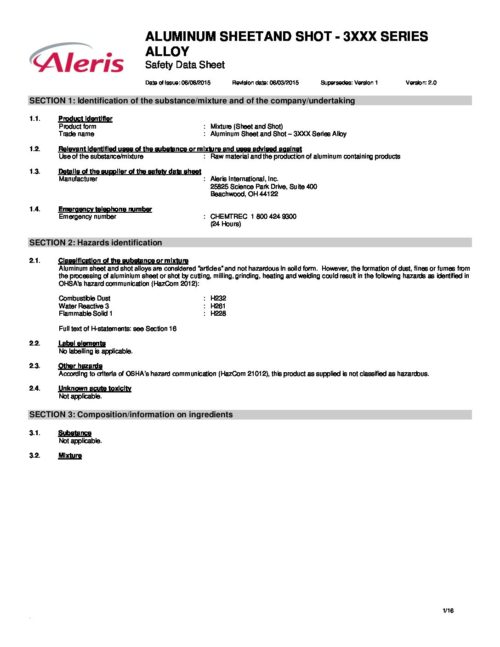
Choosing aluminum sheet metal starts with more than gauge. The grade matters because each alloy series can affect forming behavior, strength expectations, and how well the material fits the job at hand. For buyers working with industrial metal suppliers like Thin Metal Sales, an aluminum alloy chart offers a quick way to start that review.
This 3xxx series chart provides teams with a useful reference for comparing sheet metal grades for production use. That’s because it helps connect the material on a quote or order with the safety information that may be required before production begins.
Understanding the 3xxx Series
The 3xxx series is a common aluminum alloy group used in sheet metal applications. These alloys are often selected when a project needs good workability with moderate strength. That balance can make them practical for formed parts, panels, trim components, and other fabricated metal products.
A chart that fully details aluminum material grades helps buyers compare one against another before the material reaches the shop floor. It can also help engineers narrow the conversation when they’re checking whether a grade matches the part design.
Why Grade Information Matters
Sheet metal grades influence how material behaves during each step of the formatting process. A small change in the alloy can affect the way a part runs through production. That’s why documentation of aluminum mechanical properties matters before a coil is slit or a sheet is cut to size.
For teams with internal quality systems, grade documentation can support material review before aluminum is released for production. It gives purchasing staff and production teams a reference they can keep alongside project records.
A Practical Reference for Aluminum Buyers
Thin Metal Sales works with aluminum in coil and sheet form for customers who need reliable material prepared to match their application. We provide this page to customers so they have a direct place to review 3xxx series information before requesting or approving its use.
This alloy chart can be especially helpful when buyers are comparing grades across similar applications. It does this by keeping the discussion focused on the material itself, which helps teams move from selection to sourcing with fewer delays.