

Balancing Recyclability and Performance in Metal Design
Comments Off on Balancing Recyclability and Performance in Metal Design
Metal design rarely gives you the luxury of pursuing a single priority at a time. There are many aspects you need to keep in mind when it comes to the design process. For example, engineers and buyers need parts that hold up in real use while still making sense when material recovery matters. That tension that sits at the center of this, balancing recyclability and performance in metal design, is what we’re here to look at in this quick guide.
Why Material Choice Gets Complicated
While a certain metal may seem like the right fit at first, it may create undesirable tradeoffs once production begins. Performance in this area depends on how the material behaves during forming and how it holds up against corrosion. Recyclability adds another layer because recovery only helps when the part still meets the demands of the job.
That’s especially true in aerospace and medical work, where reliability carries real weight. Designers can’t treat recyclability as a bonus if it weakens the final part. At the same time, they can’t ignore how material waste affects efficiency over the life of a project.
Performance Still Sets the Standard
In demanding applications, performance must drive the decision. A gasket has to seal correctly. A shim must maintain its dimensions. A stamped or etched component has to meet the exact needs of the assembly.
However, that doesn’t push recyclability out of the discussion. It just means teams should judge it based on actual use rather than broad assumptions. The better approach starts with how the alloy performs in fabrication and service, then weighs how well it supports recovery after that.
Recyclability Starts With Better Planning
The smartest way to improve recyclability while balancing it with performance in metal design is to build it into the process from the start. Teams can reduce waste by choosing the right gauge and by avoiding overly broad specifications. They can also improve yield by ordering material in sizes that better match the part.
Supplier support plays a big role here. A dependable stainless steel sheet supplier, for example, can help buyers source material that fits the application more closely, reducing scrap before production ramps up. That kind of planning makes recyclability a practical design choice instead of an afterthought.
Good Design Focuses on the Full Lifecycle
Strong metal design doesn’t lean too hard in one direction. It looks at how the material will be processed, how the part will perform in use, and how efficiently the leftover material can move back into the stream. That wider view leads to smarter decisions at the specification stage.
When teams strike that balance, they get parts that perform consistently and use material more effectively. For manufacturers working with thin-gauge metals, that balance often separates a merely workable design from one that supports both production goals and long-term efficiency.
Corrosion Resistance Testing Standards in Modern Alloys
Comments Off on Corrosion Resistance Testing Standards in Modern Alloys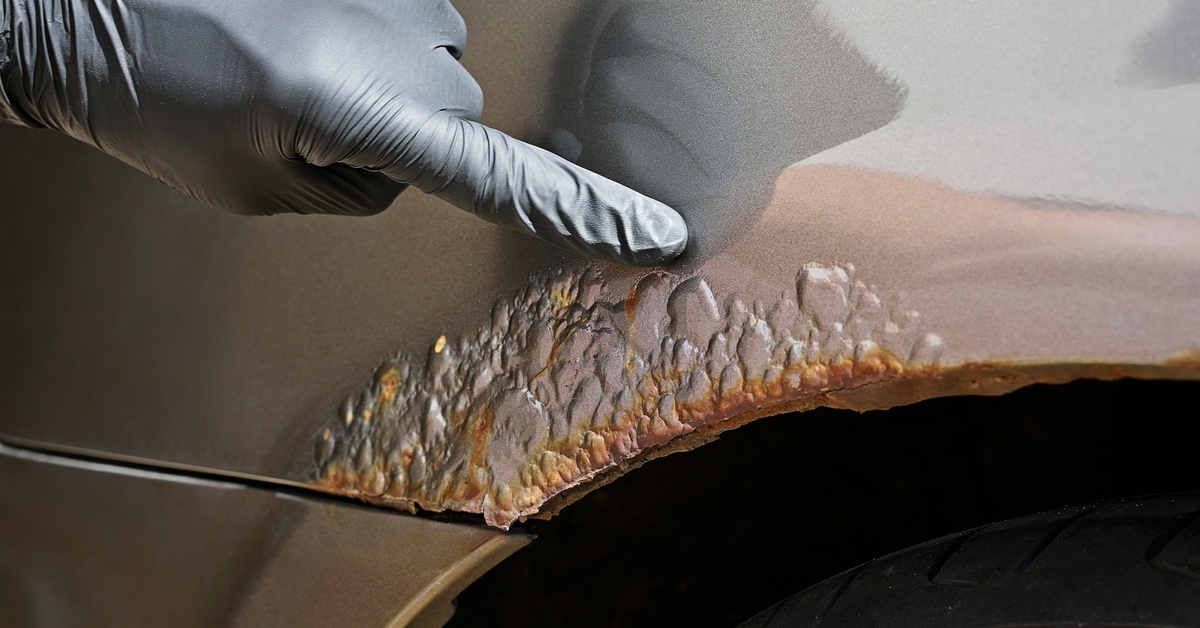
When you’re evaluating modern alloys, you can’t reduce corrosion resistance to one simple test result. Different standards exist because different materials face different corrosion risks, and each test is designed to measure something specific. Once you understand what those standards actually cover, it becomes much easier to compare alloys and choose the right material for the job. To do that better, here’s a quick look at some corrosion resistance testing standards in modern alloys.
ASTM B117: Salt Spray Testing
ASTM B117 is still the corrosion test most people recognize first because it creates a controlled salt spray environment and gives manufacturers a common baseline. It outlines the equipment, procedures, and exposure conditions needed to run the test consistently, which is why it appears so often in thin sheet metal material discussions and product specs. At the same time, B117 doesn’t tell you everything by itself. It doesn’t automatically define the right specimen, the right duration, or what the result should mean for every alloy and application.
ASTM G48: Pitting and Crevice Corrosion
When the real concern is pitting or crevice corrosion, ASTM G48 gives you a much more targeted way to evaluate performance than a broad salt spray test. This standard is commonly used for stainless steels and related alloys, especially when chloride exposure could trigger localized attack. Instead of focusing on general surface corrosion, G48 focuses on the types of damage that can cause serious problems even when the rest of the material still looks fine. That makes it especially useful when you need to separate alloys that seem similar on paper but won’t behave the same way in service.
ASTM A262: Intergranular Corrosion
ASTM A262 is a corrosion resistance testing standard for modern alloys because intergranular corrosion isn’t always obvious until the material has already been affected by processing or heat exposure. Rather than relying on a single method, A262 includes multiple practices used to detect susceptibility to intergranular attack in austenitic stainless steels. That makes it more nuanced than a broad screening test, but it also makes it more valuable when you need a closer look at stainless performance. If you’re evaluating material that’s been welded, heat-treated, or otherwise processed, this standard helps you understand whether those steps changed its corrosion behavior.
ASTM G34: Exfoliation in Aluminum
ASTM G34 addresses a very different problem: exfoliation corrosion in high-strength aluminum alloys, especially 2XXX and 7XXX series products. This kind of attack can be especially relevant in wrought aluminum used in harsh outdoor or industrial environments, where corrosion can spread in layers and undermine long-term performance. That’s why G34 matters in ways a stainless-focused test never could. You can’t swap corrosion standards from one alloy family to another and expect a useful answer, because aluminum and stainless don’t fail under the same conditions or for the same reasons.