


Corrosion Resistance Testing Standards in Modern Alloys
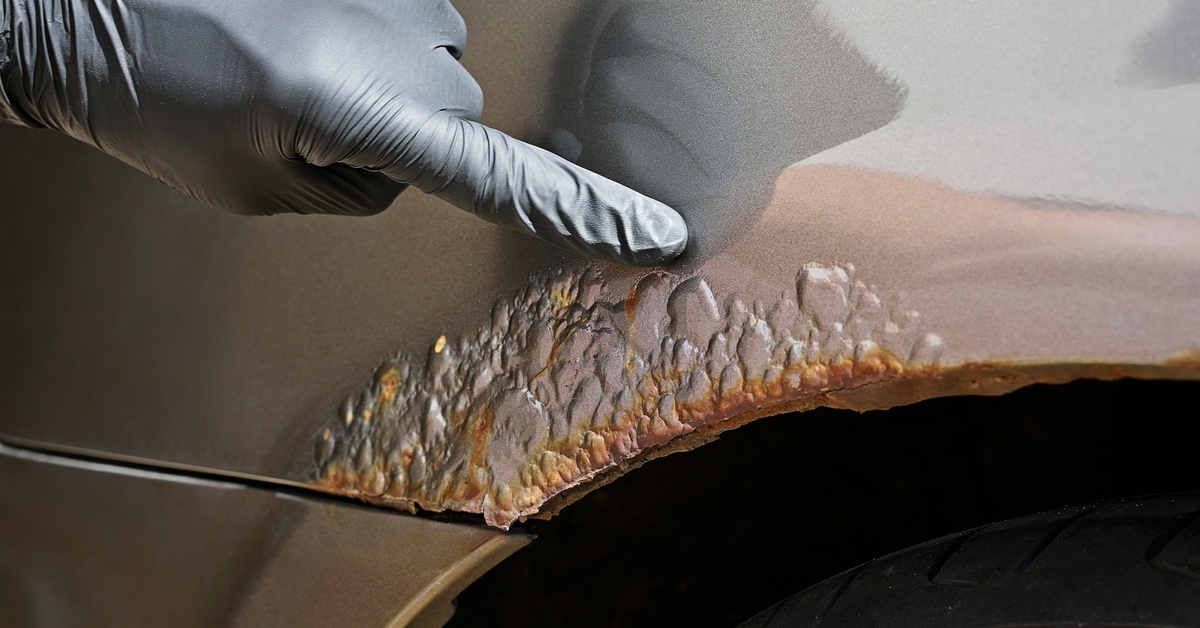
When you’re evaluating modern alloys, you can’t reduce corrosion resistance to one simple test result. Different standards exist because different materials face different corrosion risks, and each test is designed to measure something specific. Once you understand what those standards actually cover, it becomes much easier to compare alloys and choose the right material for the job. To do that better, here’s a quick look at some corrosion resistance testing standards in modern alloys.
ASTM B117: Salt Spray Testing
ASTM B117 is still the corrosion test most people recognize first because it creates a controlled salt spray environment and gives manufacturers a common baseline. It outlines the equipment, procedures, and exposure conditions needed to run the test consistently, which is why it appears so often in thin sheet metal material discussions and product specs. At the same time, B117 doesn’t tell you everything by itself. It doesn’t automatically define the right specimen, the right duration, or what the result should mean for every alloy and application.
ASTM G48: Pitting and Crevice Corrosion
When the real concern is pitting or crevice corrosion, ASTM G48 gives you a much more targeted way to evaluate performance than a broad salt spray test. This standard is commonly used for stainless steels and related alloys, especially when chloride exposure could trigger localized attack. Instead of focusing on general surface corrosion, G48 focuses on the types of damage that can cause serious problems even when the rest of the material still looks fine. That makes it especially useful when you need to separate alloys that seem similar on paper but won’t behave the same way in service.
ASTM A262: Intergranular Corrosion
ASTM A262 is a corrosion resistance testing standard for modern alloys because intergranular corrosion isn’t always obvious until the material has already been affected by processing or heat exposure. Rather than relying on a single method, A262 includes multiple practices used to detect susceptibility to intergranular attack in austenitic stainless steels. That makes it more nuanced than a broad screening test, but it also makes it more valuable when you need a closer look at stainless performance. If you’re evaluating material that’s been welded, heat-treated, or otherwise processed, this standard helps you understand whether those steps changed its corrosion behavior.
ASTM G34: Exfoliation in Aluminum
ASTM G34 addresses a very different problem: exfoliation corrosion in high-strength aluminum alloys, especially 2XXX and 7XXX series products. This kind of attack can be especially relevant in wrought aluminum used in harsh outdoor or industrial environments, where corrosion can spread in layers and undermine long-term performance. That’s why G34 matters in ways a stainless-focused test never could. You can’t swap corrosion standards from one alloy family to another and expect a useful answer, because aluminum and stainless don’t fail under the same conditions or for the same reasons.