

Stainless in Hydrogen Fuel Cell Components
Comments Off on Stainless in Hydrogen Fuel Cell Components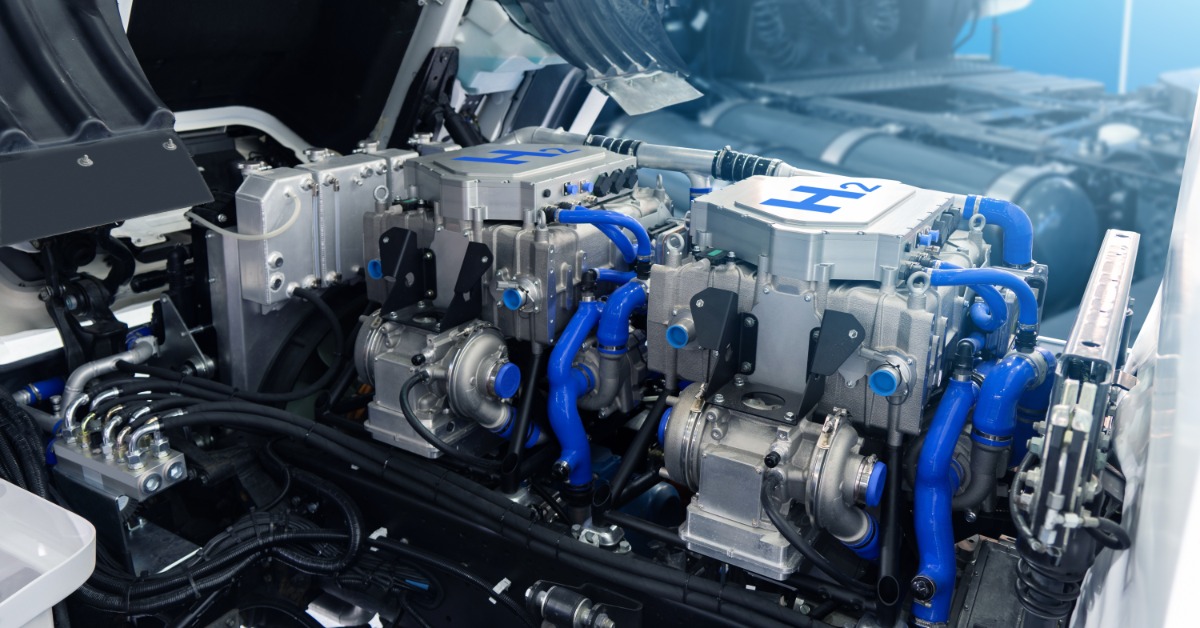
Hydrogen fuel cells rely on carefully engineered components to convert chemical energy into electricity. Every material inside the system must withstand demanding operating conditions while supporting consistent performance. Stainless steel has emerged as a promising option for several hydrogen fuel cell components, particularly those requiring strength, precise dimensions, and corrosion resistance.
But what makes stainless steel suitable for these applications, and where does it fit into fuel cell construction?
Why Stainless Steel Works in Hydrogen Fuel Cells
Hydrogen fuel cells contain multiple layers of special materials that work together to generate electricity. In proton exchange membrane (PEM) fuel cells, manufacturers must balance electrical conductivity with durability and dimensional accuracy.
Strength and Formability
Stainless steel provides mechanical strength without requiring excessive material thickness. Manufacturers can form thin stainless steel sheets into intricate shapes while maintaining structural integrity.
The material also resists deformation under mechanical stress. This makes it particularly useful for components that must maintain precise alignment within compact fuel cell assemblies.
Key Stainless Steel Components in Fuel Cell Systems
Fuel cell manufacturers use stainless steel in applications where material consistency directly influences component performance. Working with a reliable stainless steel sheet manufacturer helps fabricators obtain material with the thickness and dimensional tolerances their designs require.
Bipolar Plates
Bipolar plates play a central role in PEM fuel cells. These thin components distribute reactant gases through engineered channels while conducting electrical current between adjacent cells.
Stainless steel offers a practical alternative to graphite because manufacturers can stamp it into complex channel patterns. Its mechanical strength also supports thinner plate designs, which can reduce stack size.
End Plates and Structural Components
Fuel cell stacks require structural support to maintain compression across their internal layers. Stainless steel can serve in end plates and other supporting hardware where rigidity and dimensional stability matter.
These components help maintain proper contact between the individual elements of a fuel cell stack.
Manufacturing Considerations for Stainless Steel
Selecting stainless steel involves more than choosing an alloy. Manufacturers must also consider material thickness, surface condition, and forming requirements.
Corrosion Resistance and Surface Treatments
PEM fuel cells expose internal components to humid, acidic conditions. Although stainless steel forms a protective oxide layer, that layer can increase electrical contact resistance.
Manufacturers may apply conductive protective coatings to bipolar plates to address this challenge. Proper material selection and surface engineering help balance corrosion resistance with electrical performance.
Precision Thickness and Fabrication
Thin stainless steel must meet demanding dimensional specifications before fabrication begins. Variations in thickness can affect forming behavior and final component geometry.
Consistent slit widths and controlled material dimensions help fabricators produce parts that fit their intended assemblies.
Choosing Stainless Steel for Fuel Cell Components
Stainless steel offers valuable properties for hydrogen fuel cell construction, particularly in bipolar plates and structural components. Its strength and formability make it an attractive option, although successful applications require careful attention to corrosion and electrical contact resistance.
Thin Metal Sales supplies custom slit-to-width and cut-to-length stainless steel materials for demanding manufacturing applications. Contact Thin Metal Sales today to discuss your material specifications and find the right stainless steel for your next project.
Oscillating for Burr-Free Thin Metal Slitting
Comments Off on Oscillating for Burr-Free Thin Metal Slitting
Thin metal slitting demands tight control. Even a small burr along a strip edge can interfere with stamping, forming, assembly, or other downstream operations. For manufacturers working with precision components, edge quality can affect both production efficiency and the consistency of the final part.
Oscillating, an occasional part of the thin metal slitting and rewinding process, can help produce burr-free material that handles more reliably after processing. Understanding how this technique works can help buyers specify thin metal that fits demanding applications.
Why Burr Control Matters in Thin Metal Slitting
Slitting divides wide coils into narrower strips using rotary knives. As the blades penetrate the metal, clearance, blade condition, material properties, and setup all influence the edge.
Poorly controlled slitting can leave a raised or uneven burr. That extra material may seem minor, especially on very thin stock, but it can create problems when the strip moves through precision tooling. Sharp edges can also complicate handling and interfere with close-tolerance fabrication.
Edge Quality Starts With Process Control
Producing a clean slit edge requires more than simply cutting material to the correct width. Operators must control blade clearance and alignment based on the alloy, temper, and thickness being processed.
Consistent tension also matters. Stable material movement helps maintain alignment through the slitter and reduces conditions that can contribute to edge irregularities.
How Oscillating Supports Slit Coil Quality
After slitting, technicians can wind narrow strips into coils for shipment and later processing. Oscillating distributes the strip across the width of the receiving spool instead of allowing each layer to build directly on top of the previous one.
This winding pattern can create larger coil packages and support longer production runs for customers using continuous-feed equipment. Buyers searching for custom sheet metal for sale may benefit from considering both slit-edge requirements and how suppliers will package the strip.
Factors That Influence Burr-Free Results
Material thickness and mechanical properties affect how metal responds to the slitting knives. Stainless steel, aluminum, copper, brass, and carbon steel can each require different processing considerations.
Tool condition also plays a major role. Sharp, properly maintained knives produce cleaner cuts than worn tooling, while incorrect clearances can increase deformation along the slit edge.
Specifications Help Prevent Surprises
Clear requirements give the metal processor the information necessary to select suitable equipment and settings. Buyers should communicate thickness, strip width, alloy, temper, edge expectations, and packaging requirements before production begins.
For demanding applications, these details can make the difference between material that simply meets dimensional requirements and strip that runs smoothly through the next operation.
Start With the Right Slitting Requirements
Burr-free metal slitting requires precision, while oscillating can make narrow strip easier to handle in continuous production. Together, careful processing and appropriate packaging help manufacturers receive thin metal suitable for their precise applications.
Contact Thin Metal Sales to discuss your alloy, thickness, slit-width, edge, and coil-packaging requirements. The team can help you identify a processing approach that fits your application.