


Stainless in Hydrogen Fuel Cell Components
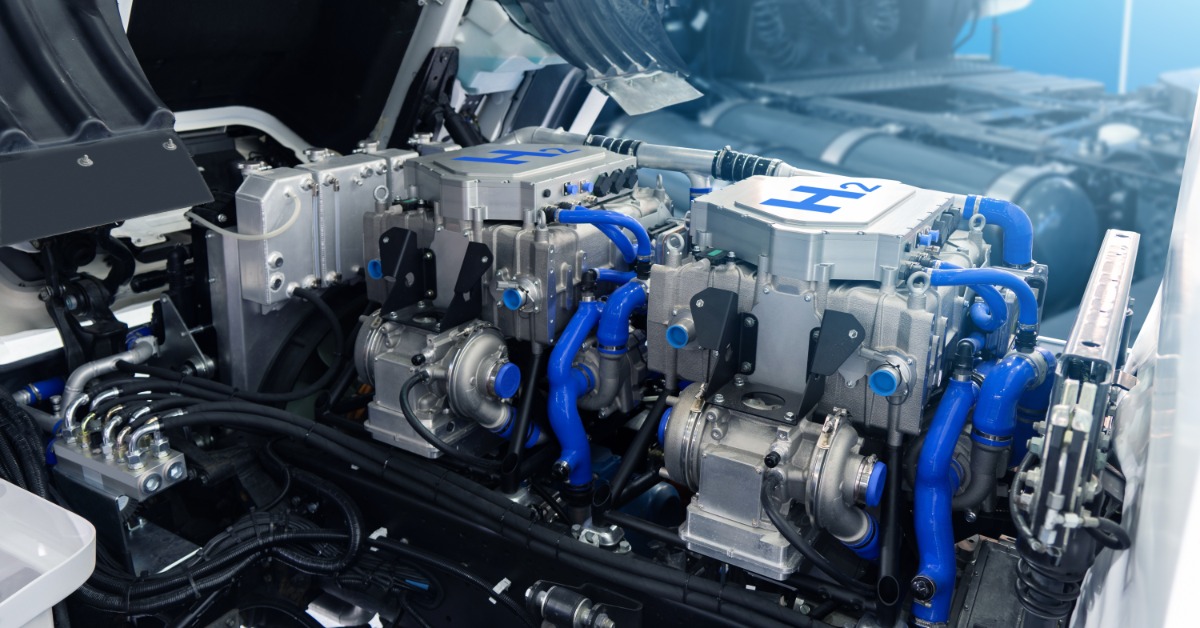
Hydrogen fuel cells rely on carefully engineered components to convert chemical energy into electricity. Every material inside the system must withstand demanding operating conditions while supporting consistent performance. Stainless steel has emerged as a promising option for several hydrogen fuel cell components, particularly those requiring strength, precise dimensions, and corrosion resistance.
But what makes stainless steel suitable for these applications, and where does it fit into fuel cell construction?
Why Stainless Steel Works in Hydrogen Fuel Cells
Hydrogen fuel cells contain multiple layers of special materials that work together to generate electricity. In proton exchange membrane (PEM) fuel cells, manufacturers must balance electrical conductivity with durability and dimensional accuracy.
Strength and Formability
Stainless steel provides mechanical strength without requiring excessive material thickness. Manufacturers can form thin stainless steel sheets into intricate shapes while maintaining structural integrity.
The material also resists deformation under mechanical stress. This makes it particularly useful for components that must maintain precise alignment within compact fuel cell assemblies.
Key Stainless Steel Components in Fuel Cell Systems
Fuel cell manufacturers use stainless steel in applications where material consistency directly influences component performance. Working with a reliable stainless steel sheet manufacturer helps fabricators obtain material with the thickness and dimensional tolerances their designs require.
Bipolar Plates
Bipolar plates play a central role in PEM fuel cells. These thin components distribute reactant gases through engineered channels while conducting electrical current between adjacent cells.
Stainless steel offers a practical alternative to graphite because manufacturers can stamp it into complex channel patterns. Its mechanical strength also supports thinner plate designs, which can reduce stack size.
End Plates and Structural Components
Fuel cell stacks require structural support to maintain compression across their internal layers. Stainless steel can serve in end plates and other supporting hardware where rigidity and dimensional stability matter.
These components help maintain proper contact between the individual elements of a fuel cell stack.
Manufacturing Considerations for Stainless Steel
Selecting stainless steel involves more than choosing an alloy. Manufacturers must also consider material thickness, surface condition, and forming requirements.
Corrosion Resistance and Surface Treatments
PEM fuel cells expose internal components to humid, acidic conditions. Although stainless steel forms a protective oxide layer, that layer can increase electrical contact resistance.
Manufacturers may apply conductive protective coatings to bipolar plates to address this challenge. Proper material selection and surface engineering help balance corrosion resistance with electrical performance.
Precision Thickness and Fabrication
Thin stainless steel must meet demanding dimensional specifications before fabrication begins. Variations in thickness can affect forming behavior and final component geometry.
Consistent slit widths and controlled material dimensions help fabricators produce parts that fit their intended assemblies.
Choosing Stainless Steel for Fuel Cell Components
Stainless steel offers valuable properties for hydrogen fuel cell construction, particularly in bipolar plates and structural components. Its strength and formability make it an attractive option, although successful applications require careful attention to corrosion and electrical contact resistance.
Thin Metal Sales supplies custom slit-to-width and cut-to-length stainless steel materials for demanding manufacturing applications. Contact Thin Metal Sales today to discuss your material specifications and find the right stainless steel for your next project.