sales@thinmetalSales.comSales@ThinMetalSales.com (909) 393-2273
  • Blog
  • About Us
  • Our Team
  • FAQ
RFQ
Site Logo
Close
  • Blog
  • About Us
  • Our Team
  • FAQ
RFQ
  • Home
  • Products
    • Stainless Steel
    • Copper & Brass
    • Aluminum
  • Technical Information
    • Certifications
    • Prop 65
  • Industries
    • Aerospace
    • Consumer
    • Medical
  • Contact Us
 

Author Archives: Jon

  1. The Inherent Characteristics of Copper vs. Brass Sheet Goods
    November 11, 2025 6:50 pm Comments Off on The Inherent Characteristics of Copper vs. Brass Sheet Goods

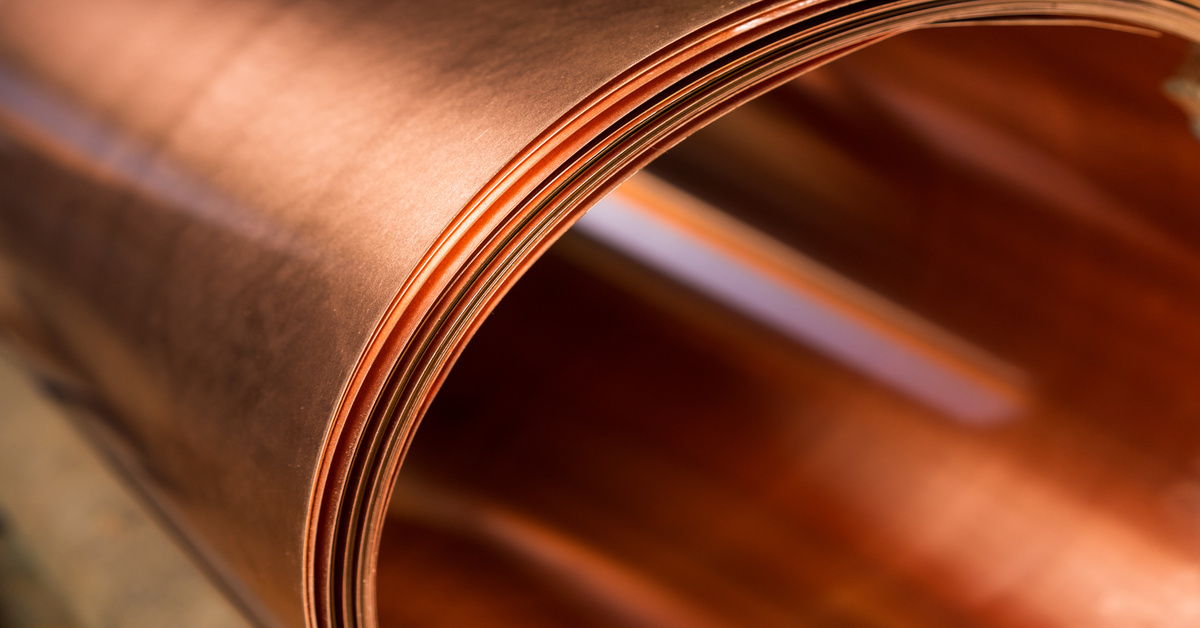
    A small roll of quality copper sheets. There are multiple layers of this sheet tightly rolled together.

    When selecting metal sheet goods for a project, understanding their distinct characteristics is essential, especially when it comes to copper and brass. Both materials offer unique properties that make them well-suited to different applications. If you’d like to know more, here’s a quick look at the difference between the characteristics of copper and brass sheet goods.

    Composition and Appearance

    Copper is a pure elemental metal, prized for its distinctive reddish-orange color. Over time, exposure to the elements causes copper to develop a natural patina—a greenish layer that protects the underlying metal while adding visual character. This aging process makes copper particularly appealing for applications where aesthetic evolution is desired.

    Brass, by contrast, is an alloy created by combining copper with zinc. The zinc content determines the final appearance, producing shades ranging from pale gold to deep bronze. You can specify the exact composition to achieve your desired color and performance characteristics. Unlike copper’s patina, brass tends to maintain its metallic luster longer, though it may develop tarnish depending on environmental conditions.

    Durability and Strength

    The mechanical properties of these materials differ significantly. Copper’s softness and malleability make it exceptionally workable. You’ll find it responds well to forming, bending, and detailed fabrication work. This flexibility proves invaluable when your project requires intricate designs or tight radius turns.

    Brass delivers greater hardness and wear resistance due to its alloyed composition. The zinc content increases the material’s strength while maintaining reasonable workability. This enhanced durability makes brass sheet goods ideal for applications that demand both aesthetic appeal and structural integrity.

    Corrosion Resistance

    Both materials excel in corrosive environments, though they perform differently. Copper develops its protective patina layer naturally, providing excellent long-term resistance to moisture, salt spray, and atmospheric conditions. This self-protecting characteristic makes copper a reliable choice for exterior applications and marine environments.

    Brass also resists corrosion effectively, particularly in applications involving water and mild chemicals. However, it may show visible tarnishing more readily than copper, especially in industrial atmospheres containing sulfur compounds. You can mitigate this through proper surface treatments and regular maintenance protocols.

    Common Applications

    Copper sheet goods find extensive use in roofing systems, where their weather resistance and aesthetic qualities combine to create durable, attractive installations. The material’s excellent electrical conductivity makes it indispensable for electrical wiring and bus bar applications. Artisans and metalworkers also favor copper for sculpture and decorative metalwork.

    Brass serves different industrial needs. Its acoustic properties make it the standard material for musical instrument manufacturing. Plumbing fixtures benefit from brass’s antimicrobial properties and corrosion resistance. Architectural designers specify brass sheet goods for decorative panels, nameplates, and trim work where its golden appearance complements other building materials.

    Where To Get Your Copper and Brass Sheets

    Now that you’re familiar with the inherent characteristics of both copper and brass sheet goods, it’s time to make a decision on which best fits your project’s needs. Fortunately, no matter which type you choose, Thin Metal Sales is here to help. We’re a proud brass and copper sheet supplier and can provide you with as many sheets as you need.


  2. Types of Alloys Used in Aluminum Sheet Composition

    November 7, 2025 8:30 pm Comments Off on Types of Alloys Used in Aluminum Sheet Composition

    A man using white gloves while working on some sheet metal. He's marking the metal to know where to cut it.

    Aluminum sheets are essential for countless industries, from construction and automotive to aerospace and packaging. While pure aluminum offers lightweight properties and natural corrosion resistance, alloying transforms this versatile metal into a high-performance material tailored to specific applications.

    By adding various elements to aluminum, manufacturers enhance its strength, durability, and overall versatility. Before purchasing any yourself, take the time to understand the most commonly used alloy compositions. This will help you select the right aluminum sheet for your project’s unique demands.

    Aluminum-Manganese Alloys

    Aluminum-Manganese alloys used in the 3xxx series stand out for their excellent corrosion resistance combined with moderate strength. Manganese, as the primary alloying element, gives these sheets reliable performance in environments where rust and degradation pose concerns. You’ll find 3xxx alloys widely used in roofing and siding applications, where weather resistance is paramount.

    The beverage can industry also relies heavily on this series—its formability and corrosion resistance make it ideal for containing liquids while maintaining structural integrity. If your project requires a balance between workability and environmental durability without extreme strength requirements, 3xxx aluminum alloys used in sheet composition deliver consistent results.

    Aluminum-Magnesium Alloys

    When your application demands both high strength and superior corrosion resistance, the 5xxx series of aluminum-magnesium alloys rises to the challenge. Magnesium content significantly boosts these alloys’ mechanical properties while maintaining excellent resistance to saltwater and harsh conditions.

    Marine environments particularly benefit from 5xxx aluminum sheets—boats, ship components, and offshore structures utilize this series extensively. The automotive industry has also embraced these alloys for body panels and structural components where weight reduction and strength are equally critical. You can count on 5xxx series sheets when working in corrosive settings that require robust performance.

    Aluminum-Magnesium-Silicon Alloys

    The Aluminum-Magnesium-Silicon alloys used in the 6xxx series by aluminum sheet manufacturers provide a well-balanced combination of strength, corrosion resistance, and machinability, making them incredibly versatile. The addition of both magnesium and silicon creates alloys that are heat-treatable, allowing you to further enhance their properties through thermal processing.

    This series dominates structural applications—architectural extrusions, bridge components, and transportation infrastructure frequently specify 6xxx alloys. Their excellent weldability and finishing characteristics make them particularly attractive when you need both functional performance and aesthetic appeal. If you’re working on projects that require precise fabrication with reliable structural integrity, 6xxx series aluminum sheets offer the flexibility you need.

    Aluminum-Zinc Alloys

    For applications demanding maximum strength, the 7xxx series represents the pinnacle of aluminum alloy performance. Zinc, as the primary alloying element, often combined with magnesium and copper, creates extremely high-strength materials that rival some steels.

    The aerospace industry depends on 7xxx alloys for aircraft frames, wing structures, and other critical components where the strength-to-weight ratio is non-negotiable. Defense applications similarly rely on this series for military equipment and vehicles. While 7xxx alloys may sacrifice some corrosion resistance compared to other series, their exceptional mechanical properties make them indispensable for engineering under extreme loads and demanding conditions.

  3. Preventing Sheet Metal Surface Damage During Fabrication

    October 30, 2025 4:13 pm Comments Off on Preventing Sheet Metal Surface Damage During Fabrication

    A close up view of some sheet metal. The metal surface has a few scratches across it and a dent in the middle.

    When selecting a sheet metal fabricator for your project, surface integrity should be a top priority. Surface damage not only affects the aesthetic appeal of your finished product but can also compromise its functionality and longevity. You need to partner with a fabricator who understands that preventing surface damage of sheet metal requires systematic approaches throughout the entire fabrication process. Here are some things you should know about this on your end.

    Material Handling Excellence

    Your chosen fabricator should demonstrate meticulous material handling practices from the moment raw materials arrive at their facility. Look for shops that use protective coverings such as plastic films or foam padding during transport and storage. Skilled fabricators train their workforce on proper lifting and stacking techniques, ensuring that sheets never come into direct contact with rough surfaces or sharp edges.

    The best fabricators implement clear labeling and organization systems that minimize unnecessary material movement. This systematic approach reduces the chances of accidental scratches, dents, or other surface imperfections that can occur when materials are repeatedly handled or repositioned.

    Advanced Tooling and Equipment Standards

    Professional sheet metal fabricators invest in non-abrasive tools and machinery specifically designed for metalworking applications. You should inquire about their equipment maintenance schedules, as poorly maintained tools can leave marks, scratches, or other surface defects on your materials.

    Quality fabricators use soft jaws or protective pads on their clamps and vises to prevent direct metal-to-metal contact. They understand that even minor tool marks can become significant issues in applications where surface finish is critical.

    Comprehensive Protective Measures

    During the fabrication process, experienced shops apply temporary protective films or coatings to sheet metal surfaces before beginning any cutting, forming, or welding operations. These protective measures act as barriers against sparks, debris, and accidental contact damage.

    You should also look for fabricators who maintain clean, debris-free work surfaces and implement protocols to minimize direct hand contact with finished surfaces. Oil and dirt transfer from bare hands can create lasting blemishes that require additional finishing work.

    Rigorous Quality Control Systems

    The most reliable fabricators conduct regular inspections at every stage of their process. Their quality control personnel are trained to identify early signs of surface damage and address issues before they become costly problems.

    Advanced shops may use sophisticated inspection tools like surface scanners to ensure precision and consistency across all fabricated components. When evaluating potential fabricators, ask about their quality control procedures and inspection protocols to ensure they align with your project requirements.

    Who To Choose for Your Metal Fabrication

    If you want to work with a company that prioritizes all these practices for preventing sheet metal surface damage during their fabrication process, then you need to come to Thin Metal Sales. We make it our goal to ensure your metal sheets come out just the way you expect. Plus, since we specialize in thin sheet metal, you can rest easy knowing that we know how to treat metal, no matter the size or thickness.

  4. Stainless Steel Sheets and Uses for the Foodservice Industry

    4:10 pm Comments Off on Stainless Steel Sheets and Uses for the Foodservice Industry

    A commercial kitchen, completely kitted with stainless steel appliances and counters. The kitchen looks extremely clean.

    Stainless steel sheets serve as the backbone of many commercial kitchen operations, providing the durability, hygiene, and performance standards that foodservice establishments demand. From bustling restaurant kitchens to large-scale cafeterias, these versatile sheets deliver unmatched reliability across a wide range of applications. Understanding the diverse uses of stainless steel sheets in the foodservice industry now will help you make informed decisions about equipment investments and facility upgrades in the future.

    Kitchen Work Surfaces

    Your food preparation areas require surfaces that can withstand constant use while maintaining strict sanitation standards. Stainless steel sheets form the foundation of prep tables and countertops throughout many commercial kitchens.

    The material’s non-porous surface prevents bacterial growth and eliminates absorption of odors, grease, or stains. Plus, the seamless construction of stainless steel sheets also eliminates crevices where contaminants might accumulate. These characteristics make cleaning effortless—a simple wipe-down with sanitizer restores the surface to pristine condition.

    Cooking Equipment

    High-temperature cooking environments demand materials that won’t warp, discolor, or degrade under extreme heat. Stainless steel sheets excel in these conditions, forming integral components of ovens, grills, fryers, and stovetops.

    The material’s thermal stability ensures consistent performance even when exposed to temperatures exceeding 1,000°F. That’s why you’ll find these sheets lining cooking chambers, forming heat shields, and creating durable work surfaces across a wide variety of cooking stations.

    Storage Solutions

    Effective storage systems require materials that resist moisture, maintain structural integrity, and support heavy loads. Because of this, stainless steel sheets are common in many shelving units, cabinet interiors, and refrigeration components.

    The material’s corrosion resistance prevents rust formation in humid environments, while its strength supports substantial weight without bending or sagging. These properties make stainless steel sheets ideal for walk-in coolers, dry storage areas, and equipment cabinets.

    Sinks and Dishwashing Stations

    Another use for stainless steel sheets in the foodservice industry is in commercial dishwashing operations. That’s because these areas are subject to continuous water exposure, harsh detergents, and potential temperature fluctuations.

    Stainless steel sheets form the basins, drainboards, and surrounding surfaces of many dishwashing stations because they resist corrosion from these challenging conditions. The material maintains its appearance and functionality despite constant moisture exposure, ensuring your investment delivers long-term value.

    Wall Cladding and Backsplashes

    Kitchen walls face regular assault from splashes, heat, and cleaning chemicals. Thin stainless steel sheets provide protective cladding that shields underlying structures while simplifying maintenance. These installations resist staining, eliminate the need for paint touch-ups, and create seamless surfaces that meet health department requirements. The material’s reflective properties also improve lighting efficiency in work areas.

    Serving and Display Stations

    Front-of-house applications require materials that combine functionality with aesthetic appeal. That’s why many buffet tables, food warmers, and display cases that maintain food safety while presenting an attractive, professional appearance use stainless steel sheets. The material’s clean lines and polished finish complement modern restaurant designs while providing the durability needed for high-traffic service areas.

  5. Coloring of Aluminum Sheet: Anodizing vs. Powder Coating

    September 19, 2025 6:24 pm Comments Off on Coloring of Aluminum Sheet: Anodizing vs. Powder Coating

    A close-up of a worker activating a spray gun to powder coat a series of aluminum sheets in grey color.

    Aluminum’s unique properties make it an indispensable material in the aerospace and medical device industries. Various coloring and finishing processes can also enhance its durability and aesthetic appeal, such as anodizing or powder coating. In this guide, we’re going to compare anodizing vs. powder coating as methods for coloring aluminum sheets so you can determine which is best for your application.

    Anodizing Aluminum

    Anodizing is an electrochemical process that augments the natural oxide layer on the aluminum’s surface. This process does not add a separate layer of material on top of the aluminum but integrates the finish with the underlying metal to a durable and corrosion-resistant surface.

    How Anodizing Works

    To anodize an aluminum sheet, you immerse it in an electrolytic acid bath and pass an electric current through it. This action opens the pores of the aluminum’s surface and grows the oxide layer. You can then introduce dyes into these open pores to color the metal. Finally, you seal the surface to lock in the color and create a hard, protective finish that maintains the metallic sheen of the aluminum.

    Pros and Cons of Anodizing

    The primary advantage of anodizing is its exceptional durability and hardness. Since the finish becomes part of the aluminum itself, it will not chip or peel. The process provides excellent corrosion and abrasion resistance, which is critical for parts exposed to harsh environments.

    Anodizing provides a more limited color palette than other methods. While the finish is very hard, it’s susceptible to cracking under severe stress or impact. It also limits repair abilities, as a scratch or other damage necessitates completely stripping and re-anodizing the metal.

    Powder Coating Aluminum

    Now that we’ve explained anodizing, what about powder coating as a method for coloring aluminum sheets? Powder coating is a dry finishing process that applies a finely ground powder of pigment and resin to a surface electrostatically.

    How Powder Coating Works

    First, you prepare the aluminum surface by cleaning it. Then, you use an electrostatic spray gun to apply the charged powder particles to the grounded aluminum part. The electrostatic charge holds the powder to the surface until you cure it in an oven. The heat melts the powder, allowing it to form a continuous, smooth film that hardens as it cools.

    Pros and Cons of Powder Coating

    Powder coating offers a vast range of colors and textures, providing design flexibility. The resulting finish is thick, uniform, and highly resistant to chipping, scratching, and fading. It also provides good protection against corrosion.

    A drawback of powder coating is that it typically produces a thicker layer than anodizing. The finish, while durable, is more prone to chipping under sharp impact than an anodized surface. The process also conceals the metallic texture of the underlying aluminum.

    Making the Right Selection

    When choosing between anodizing and powder coating, you must consider the specific demands of your application. By weighing the durability, aesthetic, and environmental factors, you can determine the most suitable coloring method to ensure the longevity and performance of your aluminum parts.

    As an aluminum sheet metal supplier, Thin Metal Sales has quality aluminum for your process, regardless of whether you choose anodizing or powder coating. Browse our inventory online, or contact our staff with any questions you may have about our aluminum.

  6. Care, Maintenance, and Long-Term Storage of Copper and Brass

    September 11, 2025 7:25 pm Comments Off on Care, Maintenance, and Long-Term Storage of Copper and Brass

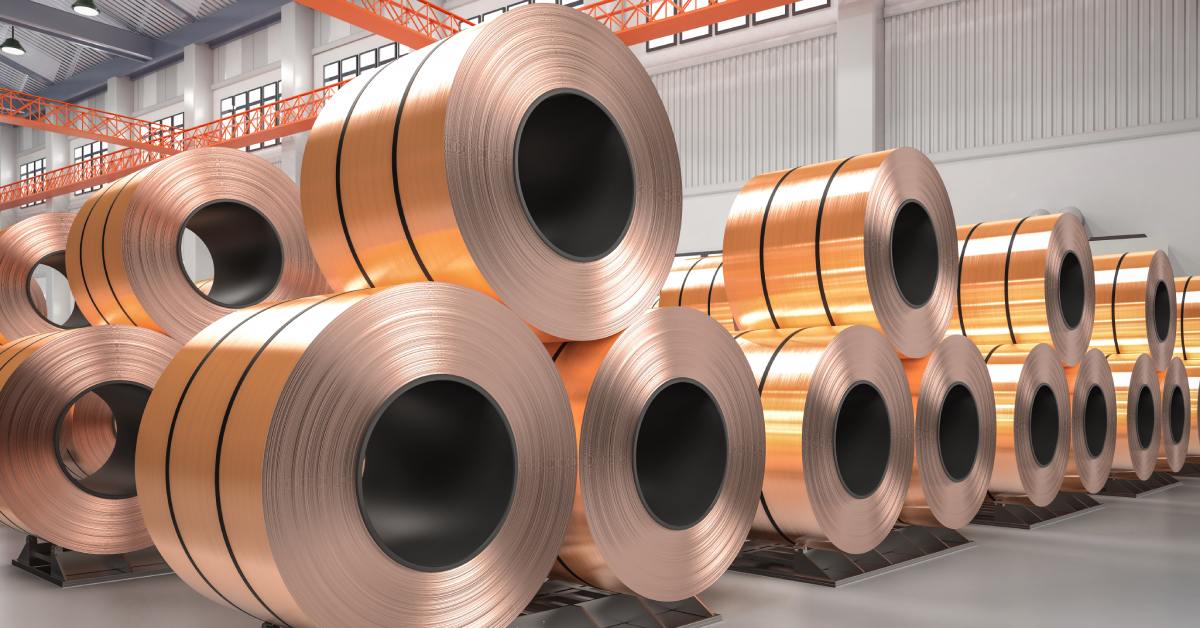
    Large copper coils neatly stacked in an industrial warehouse with bright overhead beams and modern storage racks.

    Aerospace manufacturers rely on copper and brass for their strength, conductivity, and workability. However, even the toughest alloys deserve more than a quick wipe-down before you place them on the shelf. When you care for and store these metals correctly, they resist corrosion and warping.

    You can keep components ready for production instead of turning them into expensive scrap. In this guide, we’ll share tips on the care, maintenance, and long-term storage of copper and brass.

    Daily Handling and Routine Care

    Copper and brass look tough but demand regular attention. Oils from your hands leave fingerprints that etch over time, so wear clean gloves every time you touch sheets or parts.

    Dust and debris can scratch surfaces, so wipe them with a lint-free cloth before and after you handle them. Use a mild soap solution for tough spots, and avoid harsh products that strip protective layers. These small actions extend each piece’s usable life and prevent defects down the line.

    Maintenance That Pays Off

    Regular upkeep cuts waste and saves money, and every aerospace operation values that. Inspect your metals to catch discoloration or early rust before it spreads. If you spot trouble, polish the area with a non-abrasive cleaner designed for non-ferrous metals.

    A brass and copper sheet manufacturer will confirm that you can keep downtime low and maintain usable stock by routinely polishing and applying protective coats. Consistent care beats scrambling for replacement parts. The reward is cleaner, more reliable materials that are ready for high-performance applications.

    Smart Storage for Long-Term Use

    Storage mistakes can wipe out all the effort you put into cleaning and polishing. Keep copper and brass away from moisture, extreme heat, and direct sunlight. A controlled environment stops metals from oxidizing and prevents them from warping.

    Stand sheets upright on padded racks to prevent scratching, and store smaller parts in sealed, labeled containers lined with anti-tarnish paper. Keep different metals in separate bins so they don’t react and corrode. When you store these materials wisely, you protect your investment and keep components ready for use.

    Protecting the Future of Your Materials

    Caring for copper and brass requires attention to detail, but the rewards show up in every finished part. By handling metals correctly, sticking to a maintenance schedule, and storing them in controlled conditions, you can avoid setbacks.

    Your operation benefits from reliable stock that maintains its quality from the day it arrives until the moment it enters production. With this approach, you secure long-term performance and reduce waste. That’s why prioritizing the care, maintenance, and long-term storage of copper and brass is a decision you’ll never regret.

  7. 5 Safety Practices for Sheet Metal in Any Shop Environment

    August 26, 2025 4:32 pm Comments Off on 5 Safety Practices for Sheet Metal in Any Shop Environment

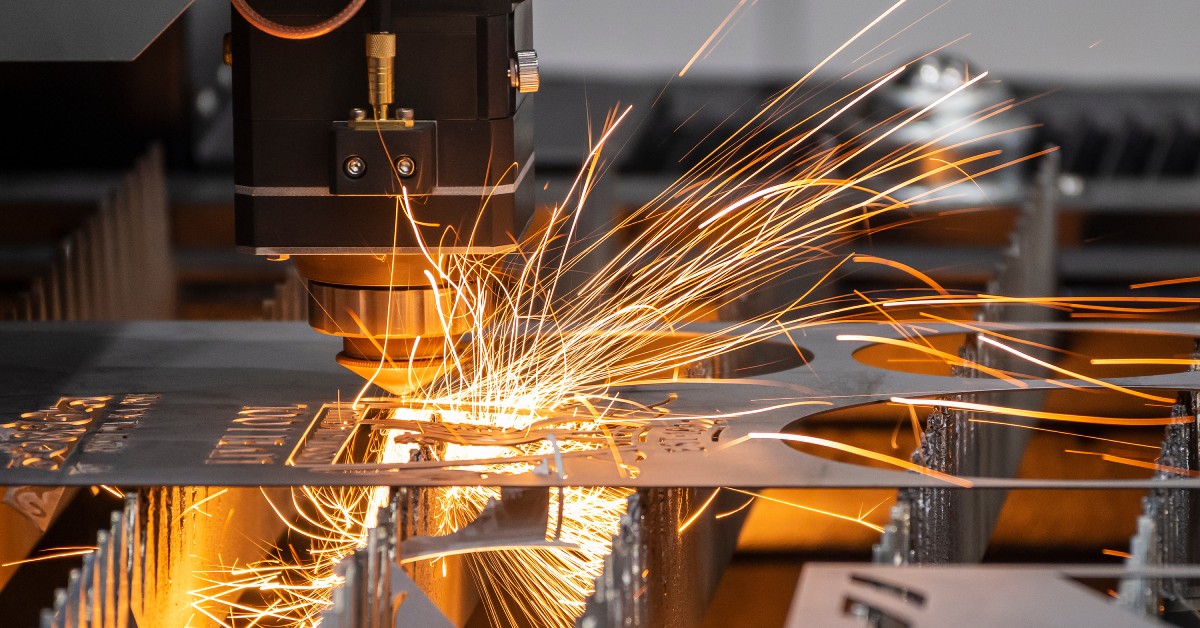
    A laser cutting machine cuts a thin metal sheet in a manufacturing plant. Sparks fly while the machine cuts an intricate pattern.

    Manufacturers thrive when production stays steady, costs stay predictable, and skilled workers stay healthy. A strong safety culture makes all three possible. Beyond preventing injuries, smarter practices streamline workflows, protect expensive equipment, and keep projects on schedule. These five safety practices for sheet metal in any shop environment give manufacturers practical ways to safeguard crews while boosting long-term efficiency.

    1. Respect the Weight and Leverage Tools

    Sheet metal doesn’t just cut — it crushes. Relying on pure muscle to lift or shift large sheets increases the risk of strains and accidents. Instead, lean on hoists, suction lifts, and roller tables.

    These tools protect your workers’ backs and fingers and reduce downtime from injuries. Treat every sheet as a potential hazard until you secure, align, and support it.

    2. Guard the Edges Before They Guard You

    Freshly cut or sheared edges act like blades waiting for contact. Install edge protectors during transport and handling, especially on stacked material.

    Training your crews to keep their grip above the edge line may feel like overkill until it prevents the first trip to urgent care. A smart sheet metal supplier often ships materials with protective packaging. Instruct your crew to keep it on until the last possible moment to lower the risk of injury.

    3. Prioritize Ventilation with Finishing Work

    Grinding, welding, or cutting produces fine particulates that love to hang in the air. Dust collectors, fume extractors, and high-efficiency fans prevent respiratory issues and maintain visibility across the shop floor.

    Ventilation protects workers’ lungs and stamina, ensuring long shifts never leave lasting damage. Clear air also reduces cleanup cycles and keeps production flowing.

    4. Standardize Machine Safeguards

    Machines that bend, punch, or shear sheet metal deliver incredible force with little forgiveness. Guarding systems, interlock devices, and two-hand controls must remain in play at all times.

    Disable one of those features “just to speed things up,” and suddenly every operator faces a higher risk. Standardizing safety checks across shifts prevents shortcuts from creeping into daily routines.

    5. Rotate Responsibilities To Reduce Fatigue

    Working with sheet metal requires constant focus, especially when handling repetitive cuts or forming operations. Mental fatigue dulls reflexes, making accidents more likely.

    Rotate team members through roles during long runs so no one stays stuck in the same posture or process for hours. This small adjustment sharpens attention, cuts error rates, and reinforces team accountability.

    The Smart Way to Work With Sheet Metal

    Manufacturers gain the most when they maintain high safety practices. The payoff shows in healthier crews, steadier production, and fewer costly disruptions. When teams respect weight, guard edges, improve ventilation, standardize safeguards, and rotate responsibilities, shops produce higher quality work and protect their crews.

    These five safety practices for sheet metal in any shop environment act as a safety net for both workers and operations, ensuring today’s output doesn’t come at tomorrow’s expense. Contact Thin Metal Sales today for more information about our handling and delivery practices.

  8. How Exactly Do They Make Steel “Stainless” Anyway?

    August 14, 2025 4:54 pm Comments Off on How Exactly Do They Make Steel “Stainless” Anyway?

    A roll of stainless steel sheets sits stacked inside a factory. The sheets shine under the factory lights.

    We all know stainless steel earns its name because it resists rust like a champ. But how exactly do they make steel “stainless” anyway?

    Spoiler: it’s not magic. It’s metallurgy. Stainless steel owes its corrosion resistance to a few key elements and a process that transforms basic steel into the hardworking, shine-holding, oxidation-fighting material we all depend on.

    At Thin Metal Sales, we know our customers don’t need a beginner’s guide; they need the real story behind why stainless behaves the way it does.

    Chromium: The Star of the Show

    Plain steel rusts because iron reacts with oxygen and moisture to form iron oxide — aka rust. The game-changer? Chromium.

    Once you add at least 10.5% chromium to steel, everything shifts. Chromium forms a passive layer of chromium oxide on the surface, and that layer blocks further oxygen from reaching the iron beneath.

    It’s self-repairing, too. Scratch the surface, and the chromium reacts with air to form a new protective layer almost instantly.

    That’s why even in harsh industrial settings, stainless steel holds its own. It doesn’t need coatings or finishes to stay corrosion-resistant.

    The alloy builds its own protection—and it’s brilliant. Want that rust-proof performance in coil, strip, or sheet? Talk to a stainless steel sheet supplier that knows the value of a well-blended alloy.

    It’s All About the Mix

    Chromium gets the spotlight, but it doesn’t act alone. The exact recipe varies depending on the grade, but other key players include nickel, molybdenum, manganese, and nitrogen.

    Nickel improves formability and toughness. Molybdenum boosts resistance to chlorides. Manganese helps stabilize the structure. And nitrogen strengthens the mix while enhancing corrosion resistance.

    Whether you work with 304, 316, 430, or something more exotic, the alloying elements match the demands of your end-use. Heat exchangers require different performance than kitchen equipment.

    Precision parts call for more than mass-market tubing. And Thin Metal Sales delivers the right composition for your exact specs — no fluff, no guesswork.

    The Finish Isn’t Just for Looks

    Surface finish affects more than aesthetics. In some applications, a mirror finish goes beyond style; it improves hygiene, reflectivity, or friction reduction.

    Rougher finishes can increase surface area for bonding and boost resistance to wear. The quality of stainless steel comes from its internal composition and from how manufacturers process the surface.

    Cold-rolling, annealing, and pickling all shape the final performance. Want a 2B finish? Need bright annealed or #4 polish? Thin Metal Sales stocks stainless steel that meets your application needs, whether cosmetic, structural, or high-performance.

    Why Stainless Stays Strong

    So, how exactly do they make steel “stainless” anyway? They start with solid steel, then upgrade it with the right elements, refined processes, and precise handling. It’s not a coating — it’s chemistry. It’s not surface deep — it’s through and through.

    Stainless steel resists wear and earns its strength through intentional engineering. And with the right supplier at your side, you receive the specs, finish, and consistency your operation demands. Visit Thin Metal Sales for fast, accurate, and stainless sheets that meet your project’s needs.

  9. Zinc Alloy Percentage in Brass and Properties Imparted

    July 18, 2025 3:45 pm Comments Off on Zinc Alloy Percentage in Brass and Properties Imparted

    The right blend of copper and zinc is what gives brass its charm and versatility. The zinc alloy percentage in brass and properties imparted can affect the metal’s key characteristics, turning it from a soft, warm-hued metal into a stronger, more corrosion-resistant one. Let’s break down what happens as zinc content changes and why these variations matter in everyday applications.

    The Basics of Zinc in Brass

    Brass is essentially a duet between copper and zinc. The zinc percentage in brass can range anywhere from 5 percent to over 40 percent, and that number directly affects the metal’s strength, ductility, and color.

    Lower zinc content (around 5–15 percent) keeps brass softer and redder, making it easy to work with for intricate designs. As the zinc content creeps higher (up to 40 percent), brass becomes stronger and more resistant to wear, but also a little harder to form. This wide range of options is what makes brass such a popular choice for everything from jewelry to industrial parts.

    Color and Workability: Striking the Right Balance

    The zinc content doesn’t just mess with brass’s strength; it also changes its color and how it behaves when worked. Low-zinc brass tends to glow with a warm reddish or golden tone and remains pliable enough for bending and shaping. High-zinc brass takes on a paler, yellowish look and becomes stiffer.

    Brass sheet suppliers often stock several variations so that customers can pick the right shade and flexibility for their project. The trade-off here is clear: the more zinc you add, the more you gain durability but lose malleability. So, choose wisely depending on whether you’re going for beauty, brawn, or a little of both.

    Corrosion Resistance and Strength

    Zinc does more than toughen brass; it helps protect it, too. Increasing the zinc percentage improves brass’s resistance to wear and tear, making it a favorite for marine hardware, plumbing fixtures, and ammunition casings.

    The added zinc reduces copper’s susceptibility to corrosion, especially in moist environments. However, too much zinc can cause a slight decline in corrosion resistance, which is why most high-strength brasses still cap the zinc content at around 40 percent. That sweet spot keeps brass sturdy without sacrificing too much of its innate weather-resistance.

    Why Zinc Content Matters in Everyday Use

    Every time you flick a light switch, turn on a faucet, or hear a trumpet’s golden tone, you’re experiencing how the zinc alloy percentage in brass and properties imparted by it come into play. Lower-zinc brasses excel in decorative and musical applications where beauty and sound quality count.

    Higher-zinc brasses thrive in heavy-duty, industrial, or outdoor environments where durability reigns supreme. By understanding these differences, you can make smarter choices when specifying brass for your next project. Visit Thin Metal Sales to find high-quality, custom copper and brass sheets for a variety of applications.

  10. What Is Aluminum Temper, and Why Is It Important?

    July 8, 2025 5:34 pm Comments Off on What Is Aluminum Temper, and Why Is It Important?

    Aluminum may look sleek and simple, but its performance depends heavily on one critical factor: temper. So, what is aluminum temper, and why is it important?

    Temper refers to the treatment process applied to aluminum to adjust its strength, hardness, and flexibility. Whether you’re stamping, bending, or machining, choosing the right temper keeps your production line humming and your product up to spec. Let’s dive into the fascinating world of aluminum temper and how it affects your business operations.

    Understanding Aluminum Temper Basics

    Aluminum temper is simply a way to describe how the manufacturers treat the metal after rolling and extruding it. Manufacturers use combinations of heat treatment, cooling, and sometimes cold working to achieve specific mechanical properties.

    You’ll see codes such as “H14” or “T6” to indicate a particular temper, each with a different balance of strength and ductility. Softer tempers are easier to form, while harder tempers offer more rigidity. Knowing these differences helps you match the right material to your process, especially when working with something as delicate as a thin aluminum sheet.

    Why Choosing the Right Temper Matters

    Using the wrong aluminum temper is like wearing flip-flops to a construction site—technically possible, but not smart. The right temper keeps your fabrication smooth and your products durable.

    If you need a sheet that bends easily without cracking, go for a softer temper. If you’re machining parts that need to hold their shape under stress, a harder temper will save you time and headaches. Picking the wrong one can lead to failed parts, wasted materials, and higher costs, which is bad news for your bottom line.

    How To Make Temper Work for You

    To make temper work for your business, start by working with your supplier to specify the exact temper that matches your process and end use.

    Factor in what operations the aluminum will undergo, such as forming, welding, or cutting, and make sure the chosen temper can handle it. Even better, test a sample run before committing to a bulk order. Paying attention to temper up front ensures your manufacturing stays efficient, consistent, and profitable.

    In short, understanding what aluminum temper is, and why it is important, gives your business a sharp edge in manufacturing. It helps you get the most out of every sheet, strip, or coil you bring into your shop. Choose wisely, and let the versatility of aluminum from Thin Metal Sales do the heavy lifting for you.

Address 5721 Schaefer Avenue
Chino, CA 91710
T: 909-393-2273 F: 909-393-2811
Email: Sales@ThinMetalSales.com
Links
  • Home
  • Privacy Policy
  • Terms of Service
  • Sitemap
© 2026 Thin Metal Sales , All Rights Reserved Site created by Thomas Marketing Services