


The Inherent Characteristics of Copper vs. Brass Sheet Goods
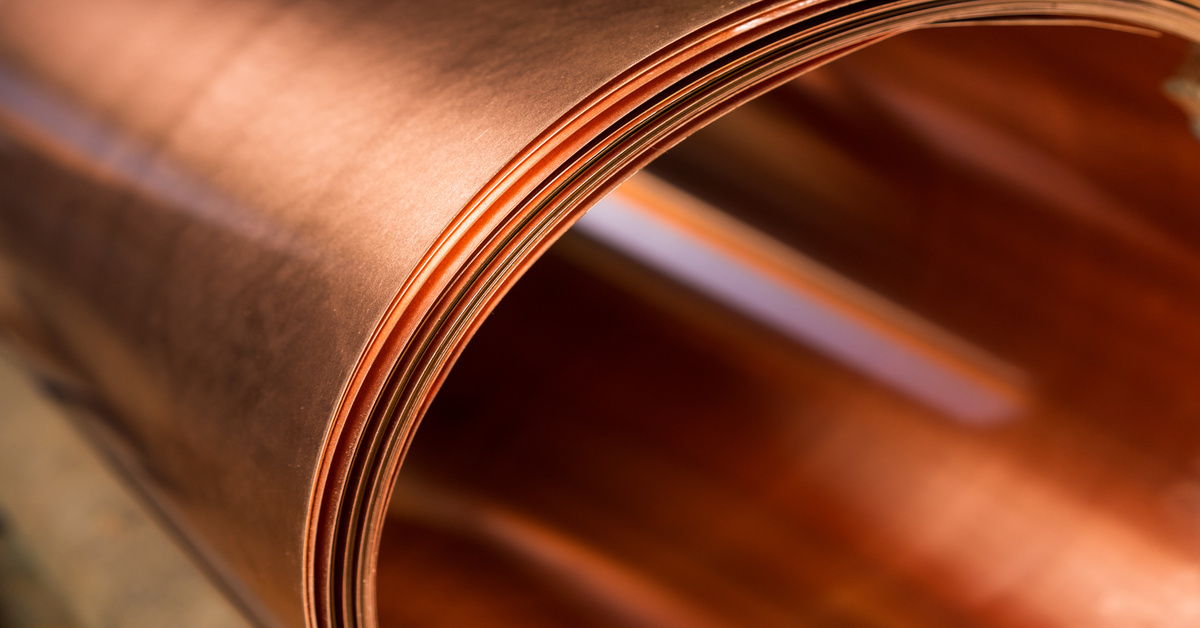
When selecting metal sheet goods for a project, understanding their distinct characteristics is essential, especially when it comes to copper and brass. Both materials offer unique properties that make them well-suited to different applications. If you’d like to know more, here’s a quick look at the difference between the characteristics of copper and brass sheet goods.
Composition and Appearance
Copper is a pure elemental metal, prized for its distinctive reddish-orange color. Over time, exposure to the elements causes copper to develop a natural patina—a greenish layer that protects the underlying metal while adding visual character. This aging process makes copper particularly appealing for applications where aesthetic evolution is desired.
Brass, by contrast, is an alloy created by combining copper with zinc. The zinc content determines the final appearance, producing shades ranging from pale gold to deep bronze. You can specify the exact composition to achieve your desired color and performance characteristics. Unlike copper’s patina, brass tends to maintain its metallic luster longer, though it may develop tarnish depending on environmental conditions.
Durability and Strength
The mechanical properties of these materials differ significantly. Copper’s softness and malleability make it exceptionally workable. You’ll find it responds well to forming, bending, and detailed fabrication work. This flexibility proves invaluable when your project requires intricate designs or tight radius turns.
Brass delivers greater hardness and wear resistance due to its alloyed composition. The zinc content increases the material’s strength while maintaining reasonable workability. This enhanced durability makes brass sheet goods ideal for applications that demand both aesthetic appeal and structural integrity.
Corrosion Resistance
Both materials excel in corrosive environments, though they perform differently. Copper develops its protective patina layer naturally, providing excellent long-term resistance to moisture, salt spray, and atmospheric conditions. This self-protecting characteristic makes copper a reliable choice for exterior applications and marine environments.
Brass also resists corrosion effectively, particularly in applications involving water and mild chemicals. However, it may show visible tarnishing more readily than copper, especially in industrial atmospheres containing sulfur compounds. You can mitigate this through proper surface treatments and regular maintenance protocols.
Common Applications
Copper sheet goods find extensive use in roofing systems, where their weather resistance and aesthetic qualities combine to create durable, attractive installations. The material’s excellent electrical conductivity makes it indispensable for electrical wiring and bus bar applications. Artisans and metalworkers also favor copper for sculpture and decorative metalwork.
Brass serves different industrial needs. Its acoustic properties make it the standard material for musical instrument manufacturing. Plumbing fixtures benefit from brass’s antimicrobial properties and corrosion resistance. Architectural designers specify brass sheet goods for decorative panels, nameplates, and trim work where its golden appearance complements other building materials.
Where To Get Your Copper and Brass Sheets
Now that you’re familiar with the inherent characteristics of both copper and brass sheet goods, it’s time to make a decision on which best fits your project’s needs. Fortunately, no matter which type you choose, Thin Metal Sales is here to help. We’re a proud brass and copper sheet supplier and can provide you with as many sheets as you need.