sales@thinmetalSales.comSales@ThinMetalSales.com (909) 393-2273
  • Blog
  • About Us
  • Our Team
  • FAQ
RFQ
Site Logo
Close
  • Blog
  • About Us
  • Our Team
  • FAQ
RFQ
  • Home
  • Products
    • Stainless Steel
    • Copper & Brass
    • Aluminum
  • Technical Information
    • Certifications
    • Prop 65
  • Industries
    • Aerospace
    • Consumer
    • Medical
  • Contact Us
 

Author Archives: Jon

  1. Balancing Recyclability and Performance in Metal Design

    April 21, 2026 1:44 pm Comments Off on Balancing Recyclability and Performance in Metal Design

    Two women looking at a couple of monitors that show the mechanisms of a metal part. One of them is holding the actual part.

    Metal design rarely gives you the luxury of pursuing a single priority at a time. There are many aspects you need to keep in mind when it comes to the design process. For example, engineers and buyers need parts that hold up in real use while still making sense when material recovery matters. That tension that sits at the center of this, balancing recyclability and performance in metal design, is what we’re here to look at in this quick guide.

    Why Material Choice Gets Complicated

    While a certain metal may seem like the right fit at first, it may create undesirable tradeoffs once production begins. Performance in this area depends on how the material behaves during forming and how it holds up against corrosion. Recyclability adds another layer because recovery only helps when the part still meets the demands of the job.

    That’s especially true in aerospace and medical work, where reliability carries real weight. Designers can’t treat recyclability as a bonus if it weakens the final part. At the same time, they can’t ignore how material waste affects efficiency over the life of a project.

    Performance Still Sets the Standard

    In demanding applications, performance must drive the decision. A gasket has to seal correctly. A shim must maintain its dimensions. A stamped or etched component has to meet the exact needs of the assembly.

    However, that doesn’t push recyclability out of the discussion. It just means teams should judge it based on actual use rather than broad assumptions. The better approach starts with how the alloy performs in fabrication and service, then weighs how well it supports recovery after that.

    Recyclability Starts With Better Planning

    The smartest way to improve recyclability while balancing it with performance in metal design is to build it into the process from the start. Teams can reduce waste by choosing the right gauge and by avoiding overly broad specifications. They can also improve yield by ordering material in sizes that better match the part.

    Supplier support plays a big role here. A dependable stainless steel sheet supplier, for example, can help buyers source material that fits the application more closely, reducing scrap before production ramps up. That kind of planning makes recyclability a practical design choice instead of an afterthought.

    Good Design Focuses on the Full Lifecycle

    Strong metal design doesn’t lean too hard in one direction. It looks at how the material will be processed, how the part will perform in use, and how efficiently the leftover material can move back into the stream. That wider view leads to smarter decisions at the specification stage.

    When teams strike that balance, they get parts that perform consistently and use material more effectively. For manufacturers working with thin-gauge metals, that balance often separates a merely workable design from one that supports both production goals and long-term efficiency.
  2. Corrosion Resistance Testing Standards in Modern Alloys

    April 17, 2026 4:24 pm Comments Off on Corrosion Resistance Testing Standards in Modern Alloys

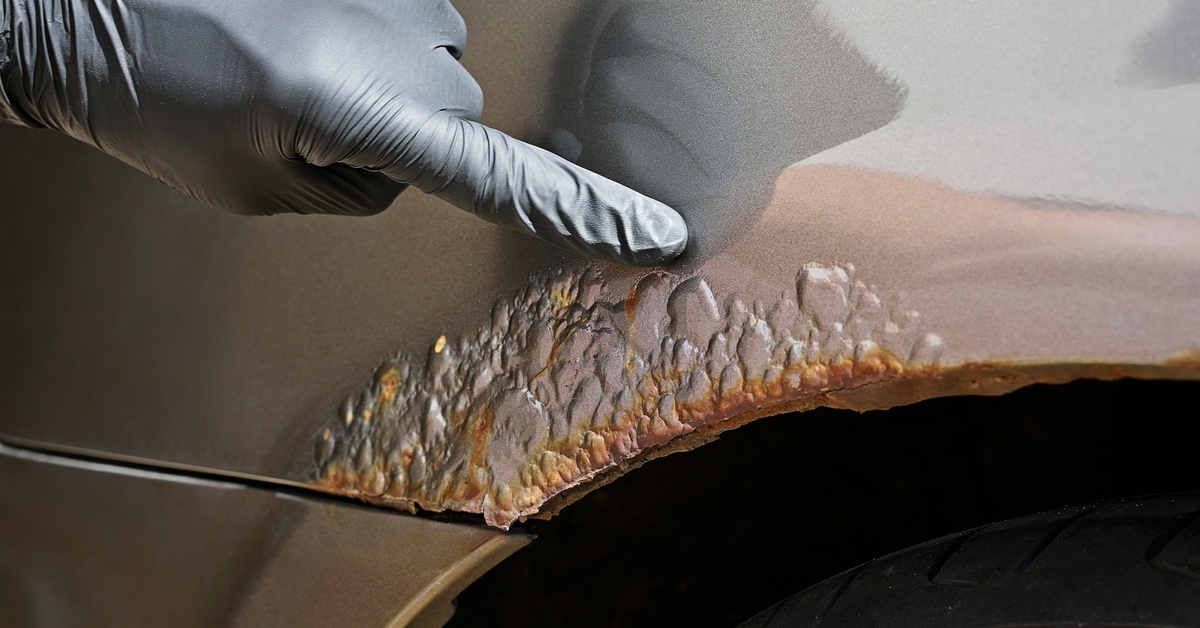
    A gloved finger pointing at some rust on the side of a car. The metal that's rusting is right over the wheel.

    When you’re evaluating modern alloys, you can’t reduce corrosion resistance to one simple test result. Different standards exist because different materials face different corrosion risks, and each test is designed to measure something specific. Once you understand what those standards actually cover, it becomes much easier to compare alloys and choose the right material for the job. To do that better, here’s a quick look at some corrosion resistance testing standards in modern alloys.

    ASTM B117: Salt Spray Testing

    ASTM B117 is still the corrosion test most people recognize first because it creates a controlled salt spray environment and gives manufacturers a common baseline. It outlines the equipment, procedures, and exposure conditions needed to run the test consistently, which is why it appears so often in thin sheet metal material discussions and product specs. At the same time, B117 doesn’t tell you everything by itself. It doesn’t automatically define the right specimen, the right duration, or what the result should mean for every alloy and application.

    ASTM G48: Pitting and Crevice Corrosion

    When the real concern is pitting or crevice corrosion, ASTM G48 gives you a much more targeted way to evaluate performance than a broad salt spray test. This standard is commonly used for stainless steels and related alloys, especially when chloride exposure could trigger localized attack. Instead of focusing on general surface corrosion, G48 focuses on the types of damage that can cause serious problems even when the rest of the material still looks fine. That makes it especially useful when you need to separate alloys that seem similar on paper but won’t behave the same way in service.

    ASTM A262: Intergranular Corrosion

    ASTM A262 is a corrosion resistance testing standard for modern alloys because intergranular corrosion isn’t always obvious until the material has already been affected by processing or heat exposure. Rather than relying on a single method, A262 includes multiple practices used to detect susceptibility to intergranular attack in austenitic stainless steels. That makes it more nuanced than a broad screening test, but it also makes it more valuable when you need a closer look at stainless performance. If you’re evaluating material that’s been welded, heat-treated, or otherwise processed, this standard helps you understand whether those steps changed its corrosion behavior.

    ASTM G34: Exfoliation in Aluminum

    ASTM G34 addresses a very different problem: exfoliation corrosion in high-strength aluminum alloys, especially 2XXX and 7XXX series products. This kind of attack can be especially relevant in wrought aluminum used in harsh outdoor or industrial environments, where corrosion can spread in layers and undermine long-term performance. That’s why G34 matters in ways a stainless-focused test never could. You can’t swap corrosion standards from one alloy family to another and expect a useful answer, because aluminum and stainless don’t fail under the same conditions or for the same reasons.

  3. The Future of Additive Manufacturing in Metal Fabrication

    March 20, 2026 5:29 pm Comments Off on The Future of Additive Manufacturing in Metal Fabrication

    An industrial 3D printer making a fully metal component. There are some sparks coming off the machine.

    Additive manufacturing has spent years being treated like either a miracle or a gimmick, which is pretty standard whenever manufacturing technology changes fast. In reality, its place in this industry looks far more practical than many people realize. If you’re curious about the future of additive manufacturing in metal fabrication, this brief guide is just for you.

    (more…)

  4. Supply Chain Risk Management for Specialty Metals

    March 17, 2026 3:42 pm Comments Off on Supply Chain Risk Management for Specialty Metals

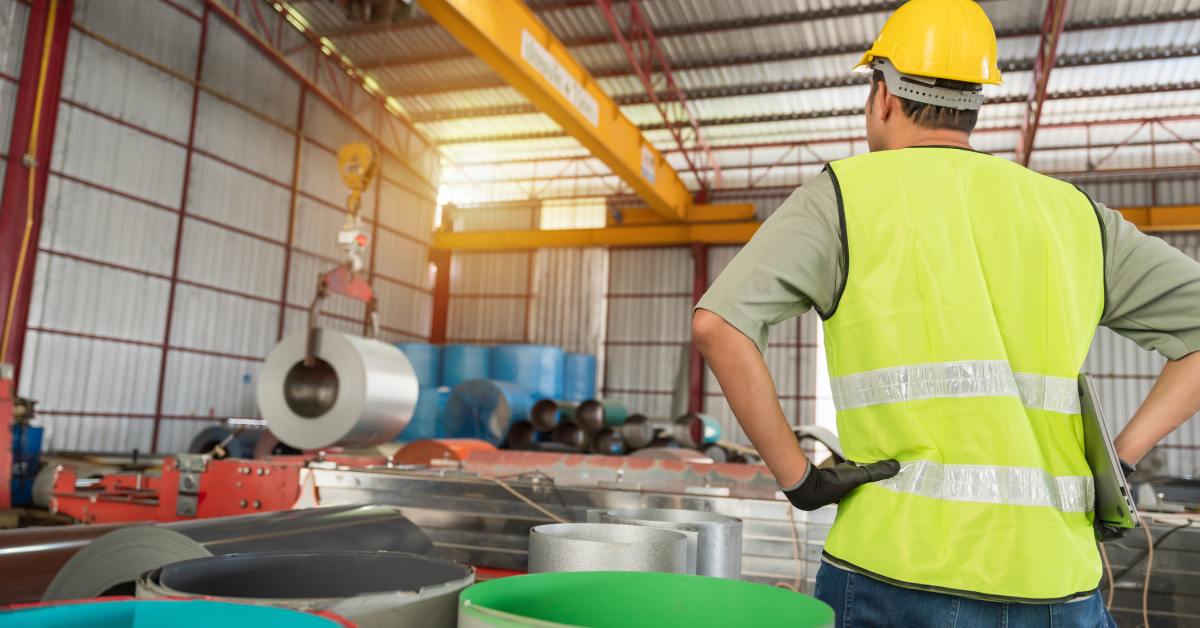
    An industrial worker watching an overhead crane move a large metal coil. He has both hands on his hips.

    Global supply chains have become increasingly complex, and specialty metals are no exception. Manufacturers that depend on precision alloys and ultra-thin materials often face tighter supply conditions than those sourcing commodity metals. Limited suppliers, fluctuating prices, and logistics disruptions can all affect availability.

    As a result, supply chain risk management has become an essential part of sourcing specialty metals. Companies that actively identify vulnerabilities and build stronger supplier networks position themselves better for maintaining production stability when disruptions occur. Let’s learn how you can do this for your business.

    (more…)

  5. Integration of Smart Sensors in Sheet Metal Production

    February 18, 2026 6:43 pm Comments Off on Integration of Smart Sensors in Sheet Metal Production

    A man in a hardhat looking upward while holding a laptop. There are many graphics in the air showing various data graphs.

    In sheet metal production, consistency is everything. When material is being slit to tight widths or cut to exact lengths, small variations can ripple into larger performance issues downstream. Depending on the industry those sheets are for, those variations can negatively impact part quality, fit, and reliability.

    (more…)

  6. Predicting Metal Price Trends Through Global Indicators

    February 12, 2026 1:54 pm Comments Off on Predicting Metal Price Trends Through Global Indicators

    A man on his laptop with one hand in a cupped position. In it is a graphic of a globe with a stock arrow rising through it.

    Metal prices can feel unpredictable, especially when quotes shift from one quarter to the next. For manufacturers operating on tight margins, even small changes in raw material costs can have a measurable impact on project budgets and production planning.

    (more…)

  7. How Automation Improves Metal Processing Accuracy

    January 13, 2026 7:16 pm Comments Off on How Automation Improves Metal Processing Accuracy

    A fully automated machine forming a metal sheet into a part to be used for the creation of a product.

    In the metal fabrication industry, margins for error are virtually nonexistent. Clients demand tight tolerances and fast turnaround times, pressuring manufacturers to deliver flawless components every single time. While manual craftsmanship holds value, it often struggles to meet the rigorous consistency required by modern engineering standards. This is where industrial automation steps in to bridge the gap.

    By integrating advanced robotics and software into the production line, these companies elevate the quality of their output significantly. If you’d like to know more about how automation has improved metal processing accuracy, you’ve come to the right place.

    Precision in Cutting and Shaping

    Achieving geometric complexity requires tools that go beyond the capabilities of the human hand. Automated equipment, particularly CNC machines, executes pre-programmed designs with micrometer-level precision. Whether using laser, plasma, or waterjet cutters, these systems follow digital schematics without deviation.

    This eliminates the slight variances often introduced by manual operation. Consequently, companies also significantly reduce material waste generated by scrap parts. When teams rely on automated cutting, they ensure that the first part produced in a run is identical to the last, maintaining strict adherence to the original CAD model.

    Real-Time Monitoring and Adjustments

    Modern metal processing thrives on data. Intelligent fabrication systems now incorporate sophisticated sensors and AI-driven monitoring tools that track variables such as temperature, pressure, and tool speed in real-time.

    These closed-loop feedback systems do not just record data; they act on it. If a sensor detects a drill bit heating up or a slight vibration in a lathe, the system instantly adjusts operational parameters to compensate. This dynamic response prevents thermal distortion and ensures that tooling wear doesn’t compromise the dimensional integrity of the final product.

    Consistency in Repetitive Tasks

    Variability is the enemy of mass production. Even the most skilled operators experience fatigue, which inevitably leads to minor inconsistencies over long shifts. Automation excels in this arena by performing repetitive tasks with unwavering uniformity.

    Robotic arms and automated press brakes apply the exact same force and angle for every operation. This standardization ensures batch uniformity, which is critical for assembly lines where parts must fit together perfectly without manual modification. By removing the human variable from repetitive actions, companies can stabilize their throughput and guarantee a predictable, high-quality output.

    Advanced Quality Control

    Accuracy extends beyond fabrication; it encompasses verification. Automated inspection systems represent the final firewall against defective products reaching customers. High-resolution cameras and laser scanners examine surface finishes and dimensional accuracy at speeds impossible for human inspectors.

    These automated optical inspection (AOI) units identify microscopic defects, such as hairline cracks or porosity, that the naked eye might miss. By catching these imperfections early, teams can prevent costly recalls, which will help their company maintain a reputation for superior quality.

    Where Thin Metal Sales Comes Into Play

    If you’re looking for a company that utilizes these concepts to achieve a quality product, then you’ve come to the right place. Our business provides top-of-the-line copper sheet metal fabrication products by leveraging automation to the fullest. See how automation has improved our metal processing accuracy.

  8. Testing Methods for Thin Sheet Metal Integrity

    January 9, 2026 6:27 pm Comments Off on Testing Methods for Thin Sheet Metal Integrity

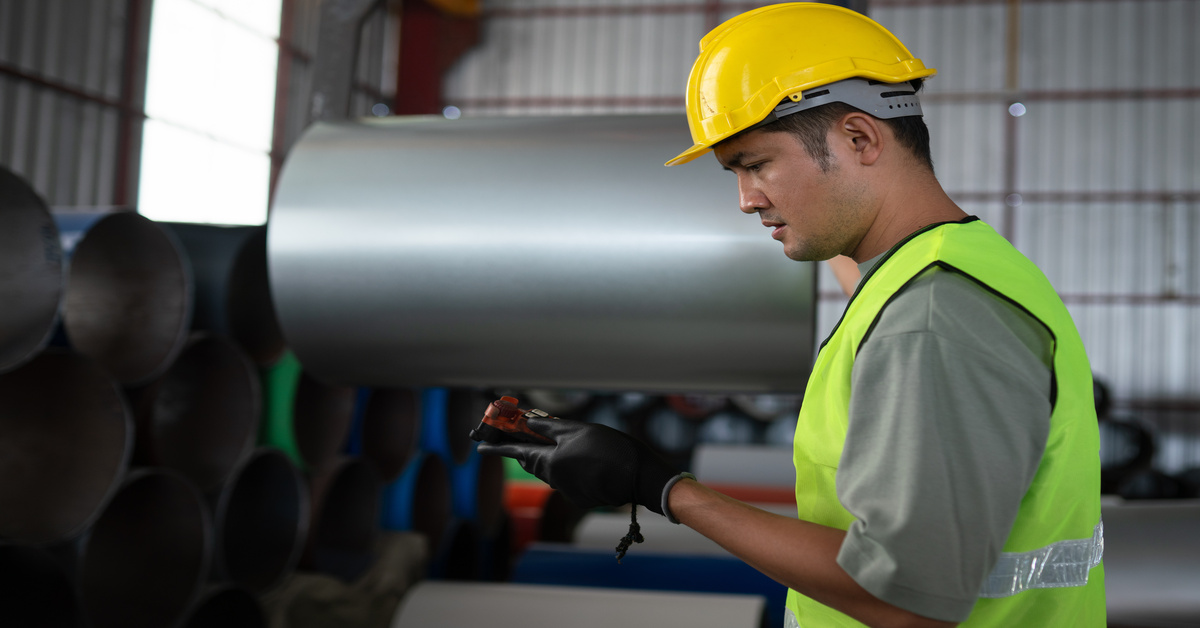
    An industrial worker standing in front of some stacks of sheet metal coils with a device in his hand.

    Working with light-gauge metals presents a unique set of challenges compared to structural plate. Most particularly, precision is paramount when handling thin sheet metal, as even the slightest deviation in material specifications can compromise downstream manufacturing processes and final part performance.

    Verifying the mechanical properties of your coil or sheet stock prevents costly scrap and downtime. Therefore, selecting the right verification protocols remains a non-negotiable step in your QA process. To make sure you choose the right one, here’s a quick overview of the main testing methods for assessing thin sheet metal integrity.

    Tensile Testing

    You likely rely on tensile testing as your primary method for determining formability. By pulling a standard coupon until failure, you generate a stress-strain curve that reveals critical data points like Yield Strength, Ultimate Tensile Strength (UTS), and elongation.

    For thin gauges, this data predicts how the material behaves under the immense stress of deep drawing or stretching. If the elongation percentage is too low, you risk splitting the part during fabrication. Consequently, this test confirms the metal possesses the necessary ductility to meet your geometric tolerances.

    Hardness Testing

    While tensile strength tells part of the story, you also need to know how the material resists localized deformation. Hardness testing measures the metal’s resistance to indentation. However, standard Rockwell C or B scales might pierce thin sheets entirely, skewing your results. Instead, you should utilize:

    • Rockwell Superficial Hardness Testing: Uses lighter loads suitable for thin materials.
    • Vickers Hardness Test: Uses a diamond pyramid indenter, ideal for micro-hardness testing on foil or very thin gauges.

    These methods guarantee that you measure the material’s actual hardness rather than the properties of the anvil underneath.

    Non-Destructive Testing (NDT)

    Sometimes, destroying the sample isn’t an option, especially when inspecting finished components or after finding some quality aluminum sheets for sale. NDT techniques allow you to examine the internal and surface integrity of your metal without compromising it.

    Ultrasonic testing sends high-frequency sound waves through the sheet to detect laminar tearing or internal inclusions that rolling might have caused. Additionally, Eddy Current testing induces electrical currents in the conductive material. Any disruption in the flow points to surface cracks or voids. These methods provide peace of mind regarding the material’s internal continuity.

    Fatigue Testing

    Static strength is one thing; survival under dynamic stress is another. If your application involves vibration or oscillating loads, you must verify endurance limits through fatigue testing.

    You can do this by applying cyclic loading to the specimen to simulate the operational lifespan of the part. This process identifies the maximum stress the metal can withstand for a specified number of cycles without failure. It helps you avoid catastrophic fractures in components like brackets or springs that flex during use.

    Corrosion Testing

    Finally, it’s important to remember that environmental resilience matters for any exposed application. Corrosion testing is a method used on thin sheet metal that accelerates real-world weathering to predict lifespan and determine its integrity.

    The standard Salt Spray Test (ASTM B117) does this by exposing the sheet—and any applied coatings—to a saline fog chamber. During this time, you’ll monitor the sample to see how many hours pass before red rust appears. This validates that your galvanization or alloy selection will hold up against moisture and oxidation in the field.

  9. Modern Sustainability Trends in Metal Supply Chains

    December 11, 2025 6:52 pm Comments Off on Modern Sustainability Trends in Metal Supply Chains

    A man and woman talking to each other while sitting at a desk with a laptop. They are both wearing reflective vests.

    The global push for sustainability is reshaping industries, and the metal supply chain is no exception. As businesses and consumers alike demand greater environmental responsibility, the sector is adopting innovative practices to reduce its ecological footprint. If you’d like to learn more about these changes, we’re here to cover the top modern sustainability trends transforming how the metal supply chains operate.

    Embracing the Circular Economy

    A foundational shift in the metal supply chain is the move towards a circular economy. This model focuses on minimizing waste and maximizing resource utility by recycling and reusing metals. Instead of a linear “take-make-dispose” approach, the industry is developing closed-loop systems that collect end-of-life products, process them, and reintroduce them into the manufacturing cycle.

    Stainless steel sales have grown significantly during this transition, driven by its durability and reusability across the industry. Regardless of the metal, though, by reducing the dependency on virgin raw material extraction, the circular economy conserves natural resources, cuts down on energy consumption, and lessens the environmental strain associated with mining.

    Adopting Green Mining Practices

    For the raw materials that still need extraction, green mining practices are becoming standardized. This involves adopting energy-efficient technologies and implementing strategies to minimize the environmental impact of mining operations.

    Many companies are investing in renewable energy sources to power their facilities, optimizing water usage to conserve local resources, and developing advanced waste-management methods. These initiatives not only reduce the carbon footprint of extraction but also help preserve biodiversity and protect local ecosystems from long-term damage.

    Enhancing Supply Chain Transparency

    Stakeholders are increasingly demanding transparency throughout the supply chain to ensure metals are sourced ethically and responsibly. Businesses are using advanced technologies like blockchain to create immutable records that track materials from the mine to the final product.

    This level of traceability provides verifiable proof of a metal’s origin and journey, helping to combat issues like conflict minerals and illegal mining. By ensuring ethical sourcing and full lifecycle tracking, companies can build customer trust and meet stringent regulatory requirements.

    Striving for Carbon Neutrality

    Achieving carbon neutrality is a major sustainability goal for the modern metal industry supply chains. Many companies are making ambitious commitments to reach net-zero emissions across their entire operations. This involves a multi-faceted approach that targets reductions in mining, processing, and transportation.

    Key strategies include transitioning to electric vehicle fleets, upgrading to energy-efficient smelting processes, and investing in carbon capture technologies. These net-zero initiatives are essential for mitigating the industry’s contribution to climate change and aligning with global environmental targets.

  10. The Role of Laser Cutting in Thin-Gauge Metal Fabrication

    December 9, 2025 8:22 pm Comments Off on The Role of Laser Cutting in Thin-Gauge Metal Fabrication

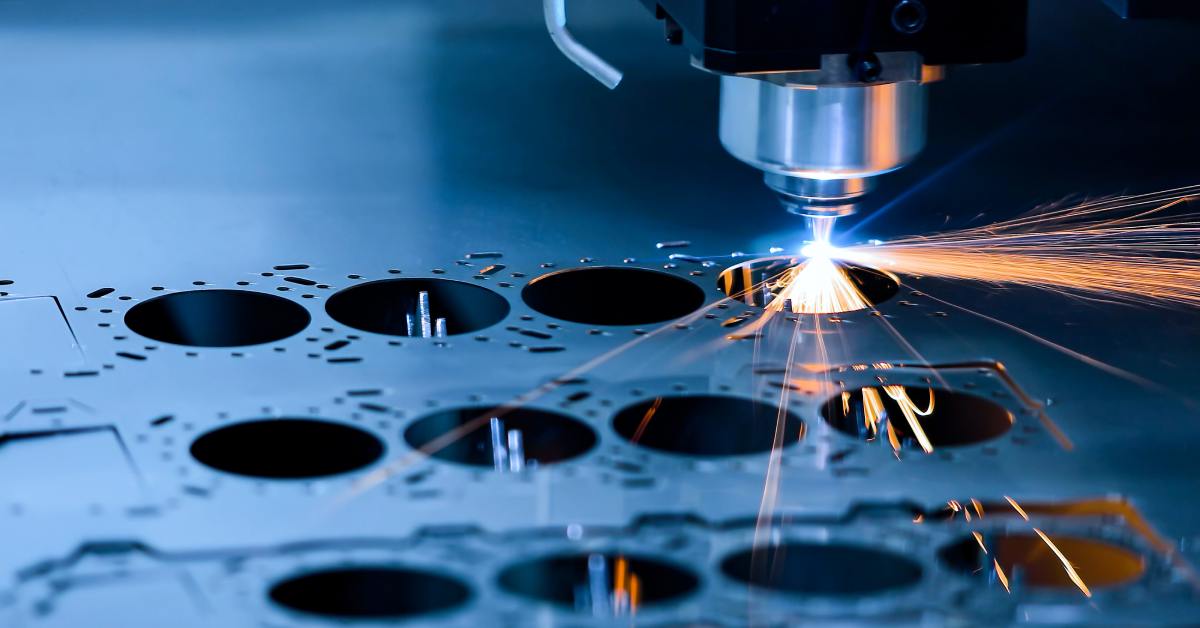
    A laser cutting machine that's currently cutting holes into a thin sheet of metal. There are sparks flying from the cutter.

    Thin-gauge metals are lightweight, flexible materials essential in a wide range of industries, from electronics and automotive manufacturing to aerospace engineering. These metals, typically less than 3mm thick, are used to create everything from intricate circuit boards to lightweight vehicle components. Working with such delicate materials requires a fabrication method that offers unparalleled precision and efficiency, ensuring the final product meets exact specifications without damage.

    Laser cutting has become a cornerstone of thin-gauge metal fabrication for this very reason. To better understand why this is, we’re here to dive into the role of laser cutting in thin-gauge metal fabrication. That way, you can find a service that can provide you with exactly what you need.

    Why Laser Cutting is Ideal for Thin-Gauge Metals

    Laser cutting technology offers distinct advantages when working with thin-gauge materials. The process uses a high-powered, focused beam of light to melt, burn, or vaporize the material, resulting in exceptionally clean cuts and smooth edges. This non-contact method eliminates mechanical stress, which is crucial for preventing the warping and distortion common with thinner metals.

    The precision of a laser also allows for the creation of incredibly intricate designs and complex geometries that would be difficult or impossible to achieve with other methods. Furthermore, the narrow kerf width—the width of the material removed during cutting—minimizes material waste, making the process both cost-effective and efficient.

    Advantages Over Traditional Cutting Methods

    Compared to traditional mechanical cutting methods like shearing or punching, laser cutting offers significant benefits. Mechanical processes exert physical force on the material, increasing the risk of burrs, rough edges, and structural damage, especially on thin sheets. Laser cutting avoids these issues entirely, delivering a superior finish that often requires no secondary processing.

    The speed and automation capabilities of laser cutting also lead to faster production times. This makes it a highly scalable solution, suitable for both rapid prototyping and large-scale manufacturing runs. You can move from design to finished part quickly, accelerating your entire production workflow.

    Applications in Thin-Gauge Metal Fabrication

    The capabilities of laser cutting for thin-gauge metal fabrication have made it indispensable across numerous sectors. In the medical field, producers use it to craft precise components for surgical instruments and implantable devices. The decorative and architectural industries rely on it to create elaborate metal panels and signage. In microelectronics, laser cutting is essential for manufacturing small, complex parts for consumer gadgets and computing hardware.

    The ability to produce custom parts and prototypes quickly also makes laser cutting a go-to choice for innovation and product development. If you’re looking for this level of precision when it comes to steel and metal sales near you, Thin Metal Sales is here to help. Learn more about why companies come to us when they need quality thin metal sheets.

Address 5721 Schaefer Avenue
Chino, CA 91710
T: 909-393-2273 F: 909-393-2811
Email: Sales@ThinMetalSales.com
Links
  • Home
  • Privacy Policy
  • Terms of Service
  • Sitemap
© 2026 Thin Metal Sales , All Rights Reserved Site created by Thomas Marketing Services