


Supply Chain Risk Management for Specialty Metals
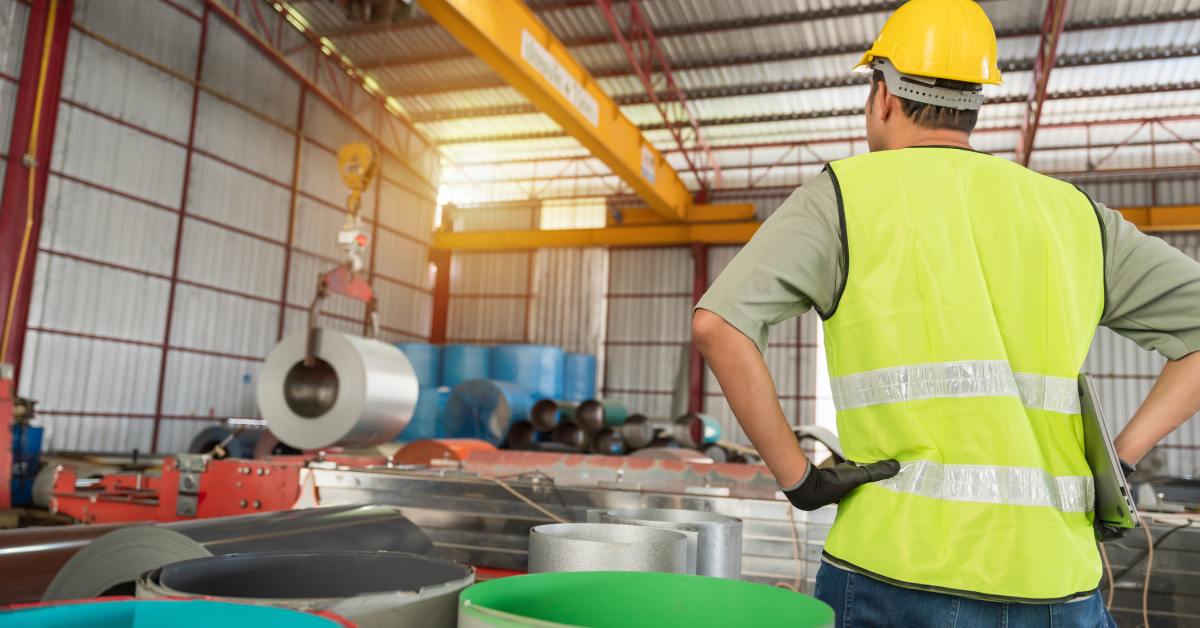
Global supply chains have become increasingly complex, and specialty metals are no exception. Manufacturers that depend on precision alloys and ultra-thin materials often face tighter supply conditions than those sourcing commodity metals. Limited suppliers, fluctuating prices, and logistics disruptions can all affect availability.
As a result, supply chain risk management has become an essential part of sourcing specialty metals. Companies that actively identify vulnerabilities and build stronger supplier networks position themselves better for maintaining production stability when disruptions occur. Let’s learn how you can do this for your business.
Identifying Vulnerabilities in Specialty Metal Supply Chains
Specialty metal supply chains often involve a smaller pool of qualified suppliers than standard commodity metals. Certain alloys, thicknesses, or processing capabilities may only be available from a limited number of mills or distributors. When sourcing options are limited, disruptions at a single supplier can have an outsized impact.
Geographic concentration can also increase risk. Mining operations, refining facilities, and processing centers are often located in specific regions, making supply chains sensitive to transportation delays, regional disruptions, or policy changes that affect trade.
Monitoring Market Signals That Indicate Supply Risk
Actively monitoring market conditions can help companies anticipate potential supply issues before they escalate. Changes in base metal prices, shifts in global manufacturing demand, or disruptions in mining output can all signal tightening supply conditions.
Trade policies and tariffs can also reshape supply availability. Companies that track these developments are often better prepared to adjust sourcing strategies or secure materials before disruptions significantly affect lead times.
Working With Reliable Specialty Metal Distributors
Finding reliable distributors can play a significant role in reducing supply chain risk. Distributors that maintain consistent inventory levels help manufacturers access materials more quickly when supply conditions tighten. This can reduce downtime and keep production schedules on track.
Processing capabilities such as slit-to-width and cut-to-length services for thin copper sheets and other metals also add value by ensuring materials arrive ready for use. Consistent quality and dependable lead times are particularly important for industries like aerospace and medical manufacturing that require precision materials.
Diversifying Suppliers and Material Sources
Diversifying suppliers is another important management strategy for reducing supply chain risk in the specialty metals field. Relying on a single source can leave manufacturers vulnerable to unexpected disruptions, while maintaining relationships with multiple suppliers can provide greater flexibility.
In some cases, companies may also evaluate alternative material sources or compatible alloy options that meet performance requirements. Maintaining flexibility in sourcing strategies helps organizations adapt more easily to changing supply conditions.