Category Archive: Steel

Copper vs. Aluminum Wiring: Which Is Better?
Copper vs. Aluminum Wiring: Which Is Better?

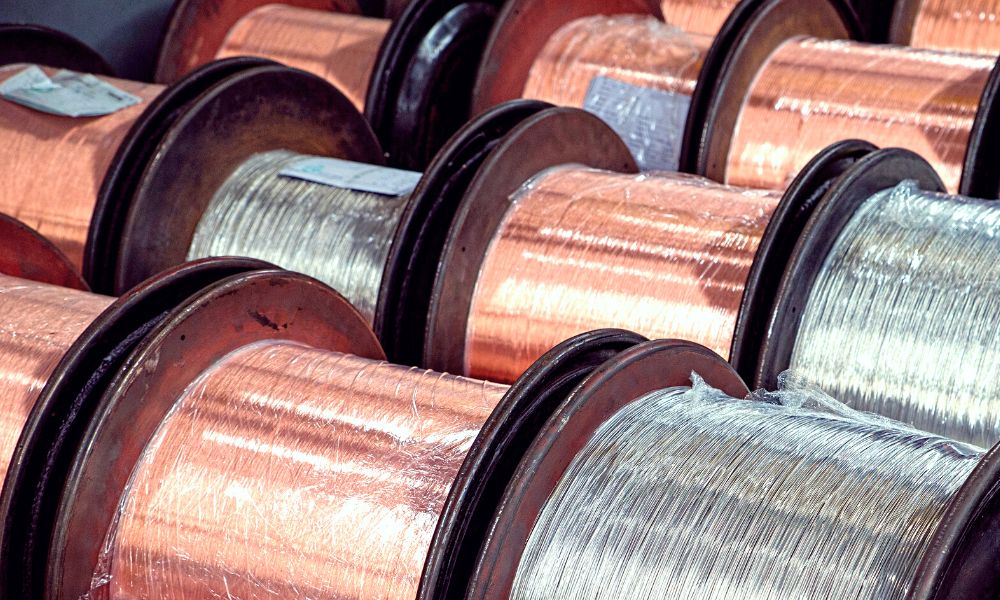
Copper and aluminum are the two most prevalent materials in wiring. Advantages and disadvantages exist for both, so let us present the unbiased case of which wiring is better between copper and aluminum, letting you make the best decision.

The Case for Aluminum

The opening argument aluminum would make to plead its case in an open court would be its affordability. Aluminum wiring for a home or commercial building can be kinder to your budget, considering it’s half the price of copper wiring. Aluminum is also much lighter than copper, making it easier to work with in certain situations and ideal for longer distances.

You won’t find a more resistant material than aluminum, which is clear when working with power cables. Along with being half the price of copper, aluminum requires about half of the cross-sectional area of copper conductors to convey the same current.

The Benefits of Copper

While aluminum can tout itself as the cost-effective and lighter option, copper would plant its flag as the more durable and conductive material. Many builders prefer copper when the price isn’t a concern because of its long-lasting properties.

The robustness of copper wires makes them less prone to break than their aluminum counterpart. When you are tugging on a wire to pull it through feeders and ports, it’s nice to have the assurance that it remains intact. Copper wire has less thermal expansion than other materials, so excess heat doesn’t cause it to expand.

Aluminum’s Faults

Although aluminum may be the less costly option between the two, there is a good reason for that. Aluminum is nowhere near as strong as copper. The difference in strength is why aluminum is so inexpensive in comparison. An additional downside of aluminum is its vulnerability to corrosion. You know copper is in it for the long haul, but you’ll always be concerned about aluminum wiring.

Copper’s Flaws

The primary negative of using copper boils down to its cost. Unfortunately, some folks don’t have an endless supply of money. They cannot write a blank check to a contractor and tell them to fill it out. Copper wiring is a hefty investment that isn’t in the cards for everyone. On the bright side, you get what you pay for: dependable wiring.

The weight of copper wiring may throw a wrench into construction plans because the extra weight requires more structural support. This consideration will also put a dent in your budget.

Deciding which is better between copper and aluminum isn’t always cut and dry. On the one hand, you save money when you use aluminum, but you’re using a weaker material. You could also use the best long-term solution and take the upfront financial hit.

Regardless of your decision, no job is too big or too small for Thin Metal Sales. We can fulfill your copper sheet metal fabrication needs from one to one-thousand-pound orders.
304 vs. 316 Stainless Steel: Which Should You Choose?

304 vs. 316 Stainless Steel: Which Should You Choose?

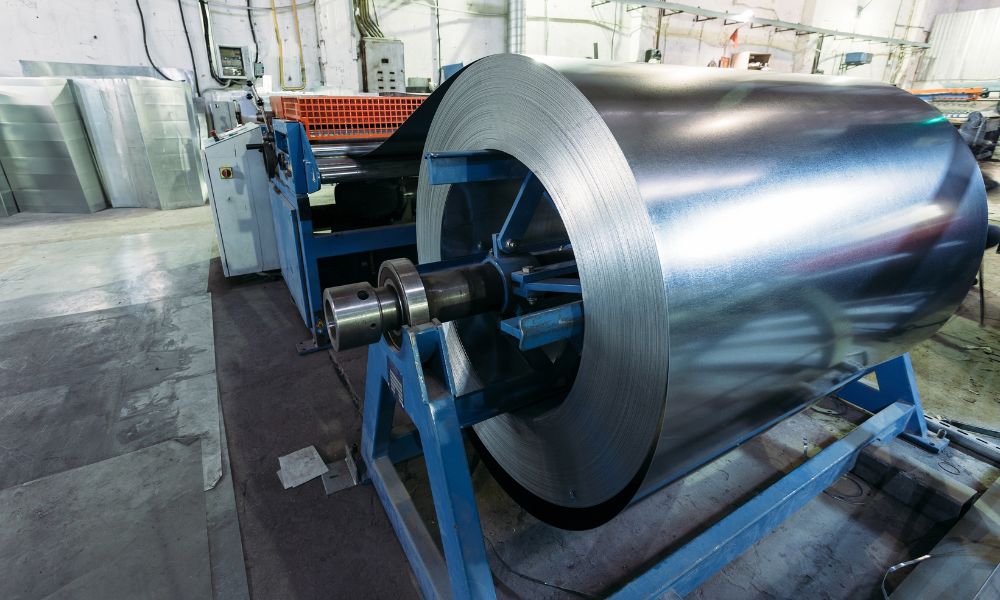
If your next project requires stainless steel, do you know which you should choose? It’s important to know the answer to this question for industrial applications. Even small differences in the same metal can substantially impact its performance. Take a closer look at those impacts by reading our comparison of 304 vs. 316 stainless steel metals below.

Comparing Costs

304 and 316 stainless steel metals differ in performance, but that’s not all. Gathering supplies for any project requires a budget limit. After all, supplies, including thin metal sheets and more, come in a variety of options.

When it comes to 304 and 316 stainless steel grades, you must consider how much you want to spend. Simply put, 316 is typically more expensive than 304 stainless steel. That said, you should always consider the performance expectations when determining the value of stainless steel and compare the short-term and long-term side effects.

Contrasting Characteristics

Speaking of side effects, how exactly do 304-grade stainless steel and 316-grade differ in performance? When comparing 304 vs. 316 stainless steel, deciding which to choose depends on the defensive capabilities you need.

Both types of stainless steel provide corrosion resistance, but 304s are more susceptible to corrosion over time. So, if you need the best corrosion and chemical resistance available, consider using 316 stainless steel for the project ahead.

Considering Applications

Thinking about the project ahead is critical because not every jobsite is the same. Thus, choosing the best stainless steel for any given project requires considering the importance of better corrosion resistance.

The presence of more nickel and molybdenum in 316 than in 304 stainless steel provides metal with even better protection for certain applications. These common applications of 316 stainless steel include marine environments, medical environments, and other areas where maximum protection is a must. On the other hand, 304 stainless steel is more common in kitchen equipment. Contact the team at Thin Metal Sales today if you’re ready to find the right thin sheet stainless steel for your next jobsite.

A Quick Guide to Understanding Aluminum Temper Designations

A Quick Guide to Understanding Aluminum Temper Designations

Aluminum comes in more than one form thanks to various treatment processes. For instance, temper designations help manufacturers know more about each metal just by looking at a single letter. If you’re unaware of all the designations, then it can be a bit confusing to decipher. We’ve put together a quick guide to understanding aluminum temper designations so you can catch up right now.

F

The first temper designation is F, which stands for “fabricated.” However, this designation does not simply mean that the aluminum has undergone fabrication. Instead, this means the material is successfully tempered without special control implemented in the strain hardening or thermal treatment.

W

Unfortunately, the letters don’t always correspond to words the way “F” does to “fabricated.” For example, the W temper designation for aluminum stands for “solution heat treated.” This designation represents materials that spontaneously age after the heat treatment process.

T

T is a temper designation that signifies thermally treated aluminum. However, there are various treatments that can full under the T designation. For example, T1 signifies aluminum that is properly cooled down from an elevated temperature shaping process, then naturally aged to a substantially stable condition. On the other hand, T5 represents aluminum that is cooled from elevated temperature shaping processes and artificially aged.

H

H is a designation used to symbolize strain-hardened products. In some cases, H-temper-designated aluminum materials have not undergone heat treatment. The primary method used to strengthen aluminum in this process is strain hardening, but it will earn an H temper designation with or without thermal treatment afterward.

O

The final stop on our guide to understanding aluminum temper designation is O, which stands for “annealed.” This means that the aluminum has been annealed, or recrystallized, to achieve a low strength but high ductility design. As you can see, learning the aluminum temper designations is fairly straightforward if you look closely at the meanings.

At Thin Metal Sales, we provide thin aluminum sheets for aerospace, medical, and other industries. Always ask your aluminum provider about the temper designations if you want to ensure the metal will react precisely how you need it to. As you can see from the list above, seemingly small changes in the tempering process can have substantial effects on the metal.

Why Stainless Steel Is Corrosion Resistant

Why Stainless Steel Is Corrosion Resistant

Manufacturing any machine or structure requires a careful selection of work materials. Whether you’re working with aluminum, steel, or beyond, you need to know how the metal will react in your application. For instance, stainless steel has a reputation for corrosion resistance, making it a helpful material in various projects.

Making the most out of stainless steel’s corrosion defenses requires an understanding of how it achieves those defenses. Discover why stainless steel is corrosion-resistant today so you can learn how to utilize it at work.

What Is Stainless Steel?

Explaining corrosion resistance requires looking at what stainless steel even is. Steel already has its useful applications, so why rely on stainless steel in some situations? One additional component to the design opens many doors for manufacturers. It all comes down to the alloys, primarily Chromium content. Stainless steel is a steel alloy that contains at least ten percent Chromium.

Corrosion Resistance

Thin Metal Sales is a stainless steel sheet supplier, so it’s important for us to understand what makes this material so adept at combating corrosion. Chromium is a special ingredient in stainless steel that improves corrosion resistance. As useful as it may be, steel on its own can rust quite easily.

Chromium reacts with the air around the stainless steel to create a thin protective layer on the surface. Thanks to that protective layer, stainless steel can combat corrosion. Now, it’s time to take a closer look at the importance of the reactive surface.

Useful Applications

Understanding why stainless steel is corrosion-resistant also requires looking at the common applications. For instance, the aerospace industry continues to use stainless steel for its applications. Vehicles, such as aircrafts, must have ample protection from the elements in flight, and stainless steel assists with that superbly.

Structures in marine applications also utilize stainless steel to prevent the saltwater from corroding it quickly. If you need ample corrosion resistance in your structure, consider using stainless steel to bring the project together.

3 Uses of Custom Sheet Metal in the Aerospace Industry

3 Uses of Custom Sheet Metal in the Aerospace Industry

Aerospace is an industry that involves many big machines, such as aircraft and spacecraft. However, one of the most important design elements used in the industry appears quite small when you see it—sheet metal. So how does this material fit into such massive designs? Read these common uses of custom sheet metal in the aerospace industry to see how it can help your business today.

Versatile Material Options

One use for sheet metal in the titular industry is to weave high-quality materials into the vehicle design. Common fabrication materials include aluminum, brass, and stainless steel, thanks to their quality performance in various fields. Sheet metal is the perfect way to introduce these materials into your vehicle because it’s an easy and effective fabrication material. Now, let’s assess the more specific reasons you would want to use such materials for professional aerospace work.

Durability for the Elements

From plates to frames, sheet metal is utilized in various aspects of flying vehicles, inside and out. As a sheet metal supplier, we can provide aerospace components such as shims, springs, washers, gaskets, and more. These parts may not seem so important when you consider the size of aircraft and spacecraft, but they are.

Sheet metal’s presence on the exterior of the vehicle is helpful for fighting the elements. For example, brass is corrosion resistant, ensuring corrosive elements won’t wear away the vehicle parts too quickly.

Lightweight Protection

Another common use of custom sheet metal in the aerospace industry is building parts with an ideal strength-to-weight ratio. As mentioned above, aluminum is a common material used to create parts for the aerospace industry. One of the key benefits of using aluminum for building machines is that it is a lightweight material.

However, despite its minimal weight, aluminum remains very durable. Thus, you can easily build parts with minimal weight but optimal protection using aluminum. Thanks to the applications above, sheet metal remains a beneficial part of the aerospace industry and other industries.

Finding the Best Sheet Metal Workers for Your Business

Even though the United States had 138,900 sheet metal workers in 2016, according to the U.S. Bureau of Labor Statistics, it can still be difficult to find the best sheet metal workers for your business. If your fabrication or manufacturing business requires workers who are experts when it comes to working with SAE 304 stainless steel, it makes sense to take your time and find the best people available.

If your end product, such as a medical device or equipment, requires the use of SAE 304 stainless, it’s important to hire the right sheet metal workers for your business. This is especially true for companies that manufacture aerospace parts, chemical etching companies, stamping parts, and medical devices. Let’s explore some tips for finding the best workers for your business.

Partnerships

To find the best sheet metal workers, it’s important to set out clear and concise job requirements. If your manufacturing includes the use of components like SAE 304 stainless steel, be sure to include that in the job description. Approaching a technical school that provides such training is often a good way to start. Forming this type of partnership can go a long way in helping hiring companies reach the candidates who are best suited for the position. Another one of the most effective ways to only consider qualified candidates is to work with a school or training program to find new workers.

Testing Modules

Another way to narrow down the pool of candidates to only those best suited for the role is to set up a testing module. This module can be required to be completed during the first stages of the search and thereby eliminate unqualified applicants from the hiring pool. Without clearly identifying those skills that are an absolute minimum for the sheet metal workers best for your business, it is likely that many unqualified candidates will apply.

Steps should be taken at the beginning of the process to ensure that by the time the interview process begins, only fully qualified candidates will be considered. No one, neither your company nor job seekers, wants to waste their time pursuing a position for which they aren’t qualified.

Now is an ideal time to establish a hiring process that is set up to help your company find the right workers for your manufacturing business. Finding the best sheet metal workers does not have to be an impossible task. For metal sales your business can trust, contact our team today!

What Are Tin Metal Strips Used for?

According to Global News Wire, sheet metal accounts for about $30 billion in United States revenue. This is probably because it has so many uses. For instance, this material is a great insulator and is also highly pliable. This makes it perfect for applications in transport, architecture, and a variety of other industries. Here are five uses of tin metal strips.

Transportation Industry Uses

Sheet metal has a lot of uses in the transportation industry. Primarily, these metal strips are used to manufacture the bodies of vehicles. They are also used to make railroad cars and airplanes. Did you know that some airplane wings are made using tin metal strips? This material is very light, and as mentioned before, it’s quite pliable. This enables it to fit into many applications in the transportation industry.

Architecture

Tin metal strips are also used in roofing. In fact, they are fantastic roofing materials. They are also very practical as a roofing option. Rain and flashing gutters are also made using sheet metal. Additionally, you will find that conductor pipes that direct water from buildings use the same material. These metal strips add a rich aesthetic appeal to designs. They are also highly efficient and functional. As mentioned before, tin is an excellent insulator.

Jewelry

Silver, platinum, and gold jewelry usually contain metal strips. In some instances, these strips are made using a combination of metals. These are commonly known as alloys. Tin alloys often go by different names. This includes Pewter, Britannia, and Levalloy. These three contain between 60% and 92% tin. You’ll also find smaller amounts of antimony, copper, and cadmium. The aim is to generally increase the hardness of metals and their strength as well. This is why combined metals that contain tin are perfect for jewelry; they preserve the luster of the pieces and strengthen the jewelry.

Did you know that tin metal strips can be combined to create sheets of metal that are an excellent fire retardant? Because of its insulating capabilities, sheet metal is highly fire resistant. It can also be utilized as an insulator in furnaces and ductwork for HVACs. Are you wondering whether tin metal strips would be perfect for your application? Get in touch with us today.

What Is Stainless Steel Used for?

As far as materials go, stainless steel is a versatile alloy used for a variety of functions. It has sheer strength, non-corrosiveness, cleanability, and remarkable heat resistance. That being said, there are several steel grades classification, all ranging in composition and practical use. The categories include martensitic, ferritic, duplex, precipitation-hardened, and austenitic. Excellent chemical and physical properties propel its universal nature in almost all sectors. Carry on to understand what stainless steel is used explicitly for in each industry:

Households Appliances

Generally speaking, an ordinary person interacts with stainless steel products regularly. For example, stainless steel is employed in making cutlery, cookware, and sinks for the kitchen. Kitchenware made from stainless steel is eye-catching and non-collusive, pushing its wide use in kitchenware manufacturing. Further, its high resistance nature does not damage the food with high acidity.

Transportation and Infrastructure

In transport, stainless steel is commonly used in manufacturing car bodies, ships, and trains due to its strength and durability. Railroad tracks, bridges, and ports are some more of the infrastructure made of stainless steel. Globally, car manufacturing industries have incorporated the use of stainless steel. According to Statista, in 2020, there was a sound production volume of over 1.86 billion metric tons of crude steel worldwide compared to 2019. As the demand goes high, there is an increase in steel purchases.

Building and Construction

Different steel grades can be customized and welded to meet the desired specifications for any project. In a standard building, steel is mainly used for attractive roofs, HVAC systems, and finishes for rails, stairs, and shelves. Of course, builders look forward to constructing quality homes for their clients. They use stainless steel due to its flexibility and strength — all things great for a durable build coveted by contractors.

Healthcare

Most healthcare equipment is made of stainless steel, thanks to effortless sterility and resistance. The list is endless, ranging from hemostats, dental crowns, IV stands, wheelchairs, operation stands, hospital beds, and surgical implants.

Storage Tanks

Corrosive chemicals and gases are a threat if not properly stored. Stainless steel tanks are used to hold corrosive substances, thus reducing the risks. When they keep food or water, they add no flavor or taste.

Aerospace

Stainless steel is light compared to other manufacturing materials. Hence, the alloy is used to make aero-related parts and screws. Maintaining an airplane with a steel body is easy since the steel components can withstand extreme temperatures.

You cannot make a life without using one or two items made from steel. Reach out to us for detailed information about stainless steel and its services.

Why the Sheet Metal Market Continues to Grow

According to recent research by Yahoo Finance, the sheet metal market is growing at a continuous average growth rate of 4.09%. The growing trends are mainly toward increased demand and more profits through various niche markets. More research conducted by a number of industry experts continues to highlight a range of meaningful insights into the current situation within the sheet market industry. Here are some things you may need to know.

Increased Demand in Various Industries

One of the reasons why the sheet metal industry keeps growing is increased demand. There are several industries that depend on thin sheet metal. Some of the high-demand industries include medical, industrial, aeronautics and construction. These are the main industries that are fueling the need for reliable thin sheet metal and related products. The more these industries require sheet metal products, the more the producers are pressed to keep delivering. This leads to increased revenue and profits for the involved players.

Another factor leading to the increase in demand for thin sheet metal is the rapid increase in automobile production worldwide. Thin sheet metal plays a huge role in the manufacturing of vehicles. The same trend can be observed in the aerospace and defense industries, as well. These industries, together with the consumer electronics industry, are placing a huge demand on sheet metal manufacturers. This product is used in a vast variety of different consumer electronics applications — for instance, you’ll find thin sheet metal used for washing machines, microwaves, stoves, and pipelines, just to name a few. The increase in the manufacturing of these products has positively impacted the sheet metal market.

Urbanization and Its Role

Another reason why the sheet metal market keeps growing is the rapidly increasing urban population. This, coupled with an ever-increasing manufacturing sector, is leading to some serious market growth. With more people in urban areas, there is more construction, and that requires a lot of thin sheet metal. As highlighted by the United States Bureau of Labor Statistics, the sheet metal industry is expected to add over 12,000 jobs to the sector in the next couple of years, which will help meet the demand and increase market growth even further.

These are just a couple of the reasons why there’s continuous growth in the sheet metal industry and market. Are you interested in knowing more about the sheet metal industry, or maybe you need help finding thin sheet metal products? Get in touch with our team today, and we will help you find what you are looking for.

How Does 17-7 Stainless Steel Differ From Its Counterparts?

According to the USGS, iron and steel constitute about 95% of all the tons of metal produced yearly in the U.S worldwide. This indicates a high demand for iron and steel in various industries. For instance, 17-7 stainless steel has various applications in the aerospace and general metal working industry. It’s also used for food processing, chemical processing, and oil and petroleum refining equipment. In this article, we explore 17-7 stainless and it’s differences from its counterparts.

What Is 17-7 Stainless Steel?

17-7 stainless steel is often compared to 304 stainless steel, but what’s the difference between the two? This type of steel has a mixed chemical composition that includes chromium, nickel, aluminum, manganese, silicon, carbon, phosphorous, sulfur, and iron. Heat treatments are often applied to harden this type of stainless steel, and the process typically involves conditioning with austenite, cooling, and then precipitation hardening. 17-7 stainless steel is regarded as having a high amount of strength and corrosion resistance. These properties make it suitable for manufacturing a wide range of products, such as springs, diaphragms, and washers. It’s the material of choice whenever highly specific and precise parts are required.

Why Choose 7-17 Stainless Steel?

It’s not hard to see why this type of stainless steel has a wide range of elaborate applications in various industries. For instance, 17-7 stainless steel is ideal for aerospace applications because of its high corrosion resistance, strength, and ability to be formed into meticulous parts. This type of stainless steel also meets aerospace requirements because of its ability to maintain its form even when exposed to high heat temperatures. 17-7 steel is also popularly used in food processing equipment, chemical processing equipment, oil, and petroleum refining equipment because it’s resistant to rust even with heavy use, it has high fatigue properties, and doesn’t wear and tear quickly.

Finding the Right Supplier

If you wish to benefit from the great qualities inherent in 17-7 steel, it’s important to ensure that you’re using the best steel for whatever purpose you may need it for. You should look for a supplier that produces quality steel with high corrosion resistance and high strength. The right supplier will ensure that the stainless steel on offer is precipitation hardened so that it also has high hardness and doesn’t get fatigued or distorted when exposed to high temperatures. If you’re looking for such a supplier, don’t hesitate to get in touch with Thin Metal Sales today.