


The Role of Laser Cutting in Thin-Gauge Metal Fabrication
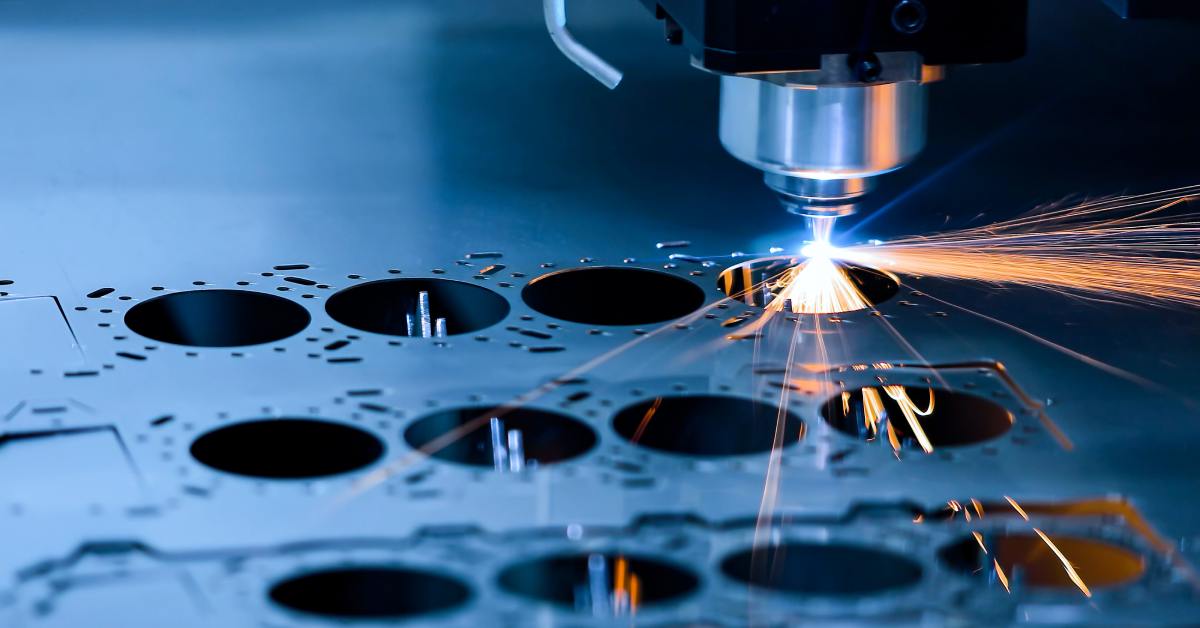
Thin-gauge metals are lightweight, flexible materials essential in a wide range of industries, from electronics and automotive manufacturing to aerospace engineering. These metals, typically less than 3mm thick, are used to create everything from intricate circuit boards to lightweight vehicle components. Working with such delicate materials requires a fabrication method that offers unparalleled precision and efficiency, ensuring the final product meets exact specifications without damage.
Laser cutting has become a cornerstone of thin-gauge metal fabrication for this very reason. To better understand why this is, we’re here to dive into the role of laser cutting in thin-gauge metal fabrication. That way, you can find a service that can provide you with exactly what you need.
Why Laser Cutting is Ideal for Thin-Gauge Metals
Laser cutting technology offers distinct advantages when working with thin-gauge materials. The process uses a high-powered, focused beam of light to melt, burn, or vaporize the material, resulting in exceptionally clean cuts and smooth edges. This non-contact method eliminates mechanical stress, which is crucial for preventing the warping and distortion common with thinner metals.
The precision of a laser also allows for the creation of incredibly intricate designs and complex geometries that would be difficult or impossible to achieve with other methods. Furthermore, the narrow kerf width—the width of the material removed during cutting—minimizes material waste, making the process both cost-effective and efficient.
Advantages Over Traditional Cutting Methods
Compared to traditional mechanical cutting methods like shearing or punching, laser cutting offers significant benefits. Mechanical processes exert physical force on the material, increasing the risk of burrs, rough edges, and structural damage, especially on thin sheets. Laser cutting avoids these issues entirely, delivering a superior finish that often requires no secondary processing.
The speed and automation capabilities of laser cutting also lead to faster production times. This makes it a highly scalable solution, suitable for both rapid prototyping and large-scale manufacturing runs. You can move from design to finished part quickly, accelerating your entire production workflow.
Applications in Thin-Gauge Metal Fabrication
The capabilities of laser cutting for thin-gauge metal fabrication have made it indispensable across numerous sectors. In the medical field, producers use it to craft precise components for surgical instruments and implantable devices. The decorative and architectural industries rely on it to create elaborate metal panels and signage. In microelectronics, laser cutting is essential for manufacturing small, complex parts for consumer gadgets and computing hardware.
The ability to produce custom parts and prototypes quickly also makes laser cutting a go-to choice for innovation and product development. If you’re looking for this level of precision when it comes to steel and metal sales near you, Thin Metal Sales is here to help. Learn more about why companies come to us when they need quality thin metal sheets.